Could Keeping Your Wallet in Your Back Pocket Be Causing Back Pain and Numb Legs? Experts Explain
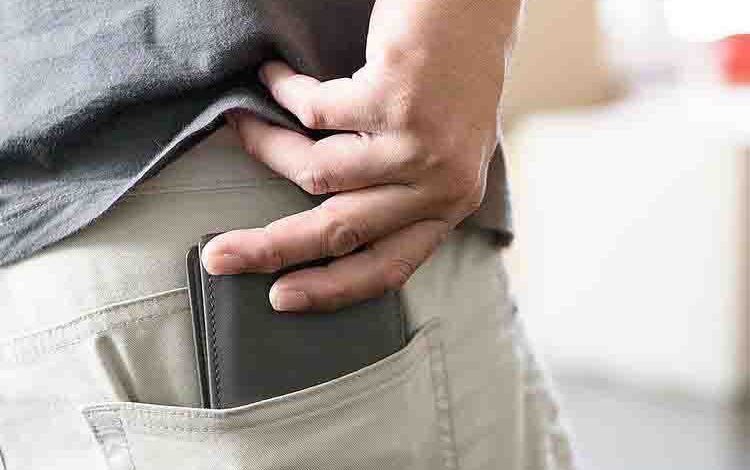
ISLAMABAD: Pain in the lower back, hips, or legs is often linked to spinal problems, but medical experts say a simple everyday habit—keeping a thick wallet in your back pocket while sitting for long periods—may also be responsible for similar symptoms.
Neurologists explain that prolonged pressure from sitting on a bulky wallet can compress the sciatic nerve, the body’s largest nerve, leading to pain, numbness, tingling, or a burning sensation. This condition is commonly referred to as “Wallet Sciatica” or “Fat Wallet Syndrome.”


Although it is not considered a disease, experts say the condition can cause persistent discomfort due to continuous pressure on the nerve. Because its symptoms closely resemble those of sciatica caused by spinal disorders, many people mistakenly assume they have a back or spinal condition.
The sciatic nerve extends from the lower back through the hips and down both legs. Sitting on a thick wallet creates an uneven sitting posture, causing one side of the body to be elevated. Over time, this imbalance places repeated pressure on the nerve, which may reduce blood flow, irritate surrounding tissues, and trigger inflammation.
Doctors note that the condition may also be associated with piriformis syndrome, another condition that can mimic spinal nerve compression.
Common symptoms include persistent pain in the lower back or hip, a burning or electric shock-like sensation down the back of the thigh or leg, tingling or numbness in the leg or foot, and discomfort that worsens after prolonged sitting. These symptoms typically occur on the same side where the wallet is carried.
Experts caution that similar symptoms can also result from a slipped disc, spinal stenosis, or other neurological disorders. They advise against self-diagnosis based solely on online information and recommend seeking medical evaluation if symptoms persist despite lifestyle changes.
People who spend long hours sitting—including office workers, drivers, and frequent travelers—may be at greater risk, particularly if they carry thick wallets filled with cards, receipts, and cash in their back pockets.
Fortunately, specialists say the condition often improves once the source of pressure is removed. They recommend carrying wallets in a front pocket, jacket, or bag, removing unnecessary cards and receipts, and using digital payment methods whenever possible to reduce wallet thickness.
Health experts also advise standing up and walking for a few minutes every 30 to 45 minutes, maintaining proper sitting posture, and performing gentle hip and stretching exercises under professional guidance.
According to doctors, most people experience gradual improvement within a few weeks after relieving pressure on the nerve. However, anyone experiencing severe pain, difficulty walking, or persistent numbness should seek prompt medical attention, as such symptoms may indicate a more serious neurological or spinal condition.