At Least 14 Killed as Monsoon Rains Trigger Floods and Destruction Across Pakistan
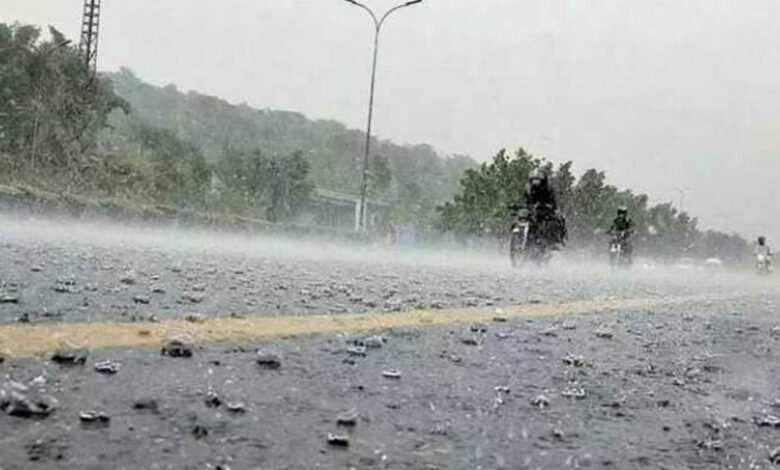
Lahore/Quetta/Peshawar:Pakistan’s first major monsoon spell has left at least **14 people dead** and dozens injured as torrential rains, flash floods, lightning strikes, and building collapses caused widespread devastation across the country.
Authorities said the worst-hit areas include **Punjab**, **Khyber Pakhtunkhwa**, **Balochistan**, **Gilgit-Baltistan**, and **Azad Jammu and Kashmir**, where emergency response teams remain on high alert.

In Upper Swat’s Kalam region, a tourist boat capsized on **Saifullah Lake**, killing **six members of the same family**, while search operations continued for one missing woman.
Elsewhere, three people, including two brothers, were killed in roof and wall collapses during heavy rain in Attock. Lightning strikes claimed the lives of two children in Landi Kotal and another person in Qaidabad. In Upper Dir, lightning struck a religious school, injuring **20 female students**.
In Balochistan’s Zhob district, a woman and a child were killed after house roofs collapsed. Three more people, including two children, were injured in Mardan when a wall and a signboard fell.
Heavy rainfall also affected **Islamabad**, **Rawalpindi**, and **Lahore**, providing relief from the heat but causing power outages after multiple electricity feeders tripped. Low-lying areas were inundated in Gujrat, while light rain was reported in parts of Karachi.
Flash flooding was also reported in Haripur, Abbottabad, Khuzdar, Kohlu, and several areas of Diamer, where floodwaters entered homes, damaged crops, orchards, and agricultural land. In Niat Valley, floodwaters cut off road access, leaving residents stranded.
The National Disaster Management Authority has issued a high alert warning of a heightened risk of **Glacial Lake Outburst Floods (GLOFs)** in **Gilgit-Baltistan**, **Khyber Pakhtunkhwa**, and **Azad Jammu and Kashmir** due to heavy rainfall and rising temperatures.
The authority has advised residents and tourists to avoid rivers, streams, and other vulnerable areas as water levels may rise rapidly during the ongoing monsoon spell.