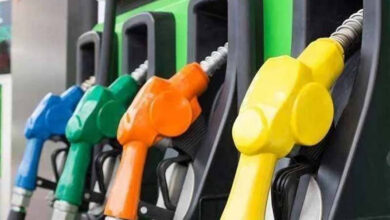
Oil Industry Urges Government to Review Fuel Pricing Policy Amid Financial Crisis Concerns
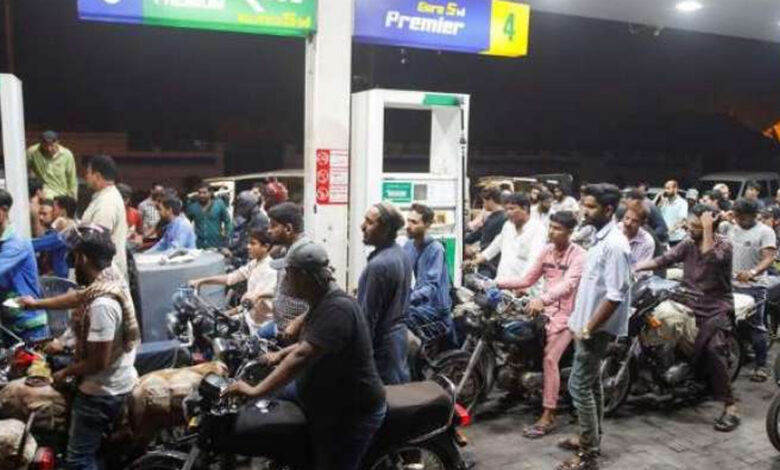
LAHORE: The Oil Companies Advisory Council (OCAC) has called for an urgent meeting with the Federal Minister for Petroleum and demanded the introduction of a fair and sustainable fuel pricing mechanism, warning that the current policy could threaten the country’s fuel supply chain.
In a letter sent to the government, oil marketing companies advised against further reductions in petroleum prices without meaningful consultation with industry stakeholders.
The OCAC expressed serious concerns over what it described as unilateral government decisions on petroleum pricing, stating that the oil industry is facing a severe financial crisis as a result.
According to the council, weaker oil marketing companies could face the risk of bankruptcy if current policies continue. It claimed that the revised pricing formula has caused combined losses of approximately Rs104 billion to oil marketing companies and refineries.
The letter further stated that government decisions have negatively affected the working capital and liquidity position of oil companies, making it increasingly difficult for them to maintain smooth operations.
The OCAC warned that if the existing policy remains unchanged, the country’s fuel supply chain could come under serious pressure. It argued that placing the burden of consumer relief entirely on oil companies is unfair and unsustainable.
Despite rising operational costs, the industry said it has continued to ensure uninterrupted fuel supplies across Pakistan. The council also highlighted that refineries supplied fuel to the armed forces and Hajj flights at previous prices in the national interest.
Furthermore, the OCAC noted that the profit margins of oil marketing companies have not been revised for nearly two and a half years. It added that outstanding payments amounting to Rs66.7 billion have further intensified financial pressures on the sector.
The council has urged the government to engage with industry stakeholders and develop a balanced pricing framework that protects both consumers and the long-term sustainability of the petroleum sector.