JUI-F Announces Protest Movement Against “Anti-Madrasa Policies,” Calls for Strike on May 6
Quetta: The Jamiat Ulema-e-Islam has intensified its political activities against what it called “anti-madrasa policies,” finalizing a strategy for protests and a shutter-down strike scheduled for Wednesday.
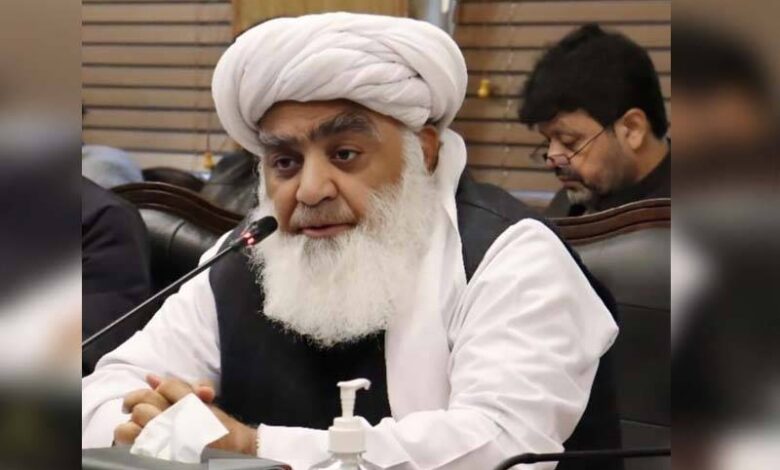
A meeting of the party’s district executive committee in Quetta was held under the chairmanship of provincial emir Senator Maulana Abdul Wasee at the party secretariat, where key organizational and protest-related matters were discussed in detail.
The meeting reviewed preparations for a shutter-down strike on May 6 and a protest rally after Zuhr prayers in Quetta, as well as a joint protest programme of all districts scheduled for May 10.
Participants included senior party leaders such as District General Secretary Haji Ainullah Shams, Maulana Muhibullah, Maulana Muhammad Ayub, Sheikh Maulana Abdul Ahad, Maulana Abdul Basir, Hafiz Dost Muhammad Madani, Haji Rehmatullah Kakar, Syed Abdul Wahid Agha, and several other religious scholars and local leaders.
It was decided that a full shutter-down strike will be observed in Quetta on May 6, followed by a large-scale protest rally. Separate committees were also formed to ensure the success of both protest programmes.
The party also announced that District Emir Maulana Abdul Rahman Rafiq will address a press conference on Tuesday at the Quetta Press Club.
Party leaders directed all units and subdivisions to fully prepare for the protest movement aimed at protecting religious seminaries (madrasas), and to ensure participation of madrasa administrators, imams, and religious scholars through formal invitations.
Speaking at the meeting, leaders including Maulana Abdul Wasee and Maulana Abdul Rahman Rafiq strongly criticized the government’s approach toward madrasas, calling the issuance of notices to registered seminaries a “malicious act.”
They stated that no pressure on religious institutions would be accepted, adding that madrasas are an integral part of their faith and will be defended at all costs.
The leaders further said that the ruling authorities have forgotten national values and traditions, and accused them of policies that undermine the ideological foundation of the country.
They reaffirmed their commitment to protect the Islamic identity and ideological existence of the state, vowing to continue their struggle through peaceful political means.