Province-Wide Strike in Balochistan Over Madrassa Policy; JUI Announces “Dama Dam Mast Qalandar” Protest on May 10
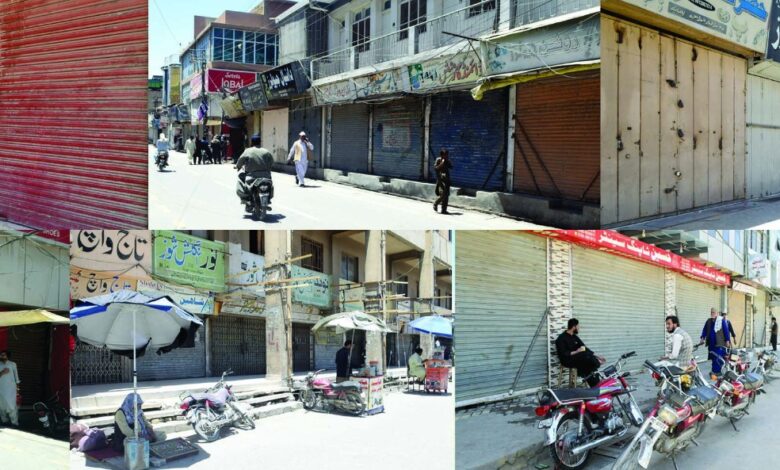
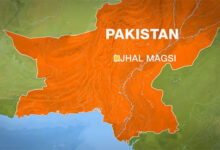
Quetta (Qudrat Daily) — A complete shutter-down strike was observed across Balochistan on Wednesday in response to a call by Jamiat Ulema-e-Islam against government policies regarding the registration and alleged closure of religious seminaries (madrasas).
The strike, which affected Quetta and several districts of the province, brought commercial and business activities to a standstill. Major markets in Quetta, including Jinnah Road, Liaquat Bazaar, Prince Road, Sariab Road, Zarghoon Road, and Mekangi Road, remained completely closed. Public transport also remained partially suspended, causing difficulties for daily wage earners, students, and commuters.
Similar shutdowns and protests were reported in Pishin, Qila Abdullah, Mastung, Khuzdar, Loralai, Zhob, Sibi, Nushki, Chaman, and Turbat, where rallies and demonstrations were held in support of the strike.
Security was tightened across sensitive areas with heavy deployment of police and Levies personnel. However, tensions were reported at some locations, where minor confrontations between law enforcement agencies and protesters occurred. Several JUI workers were also detained during operations, which the party strongly condemned and demanded their immediate release.
In Quetta, a large protest rally was held, culminating at Manan Chowk, where participants raised slogans in support of religious seminaries and against government policies.
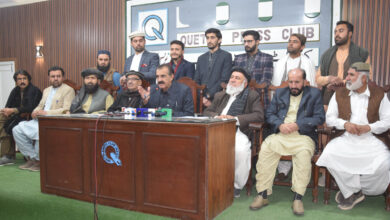
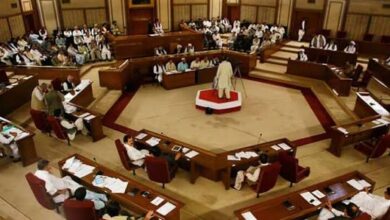
Addressing the gathering, JUI leaders including Maulana Abdul Waseh announced that if the issue of madrassa registration is not resolved in the upcoming Balochistan Assembly session, caravans from across the province will march towards Quetta on May 10 for a major protest movement described as “Dama Dam Mast Qalandar.”
Speakers said religious seminaries are a vital pillar of the country’s educational and ideological system, providing education to thousands of students despite limited resources. They claimed that repeated efforts were being made to pressure seminaries into re-registration under a new regulatory framework, which they termed unjust and unconstitutional.
The leaders also alleged that seminaries are being targeted through inspections, closures, and administrative pressure, and warned that such actions would not be tolerated.
They reaffirmed that the movement would be expanded further, with Quetta playing a central role in the next phase of protests. Political, religious, and civil society groups were urged to support the movement, calling it a collective issue of society and national ideology.
Despite widespread disruption, the strike remained largely peaceful, though economic activity and daily life across the province were significantly affected.