Balochistan Achieves Major Milestone in Olive Cultivation, 2.6 Million Trees Enter Production Phase
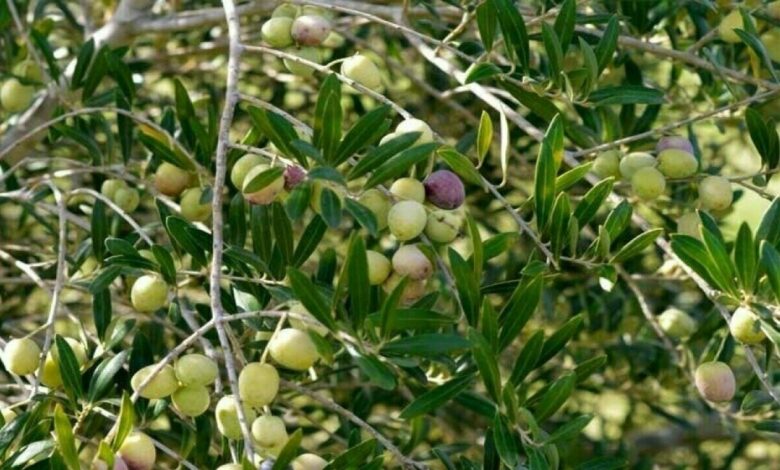
Loralai – Olive cultivation in Balochistan has reached a significant milestone, with approximately 2.6 million olive trees now entering the production phase across the province.
According to agricultural experts, this development marks a major breakthrough in the region’s agricultural sector, strengthening the local economy and positioning Pakistan as an emerging player in the global olive market.
Loralai Emerges as New Olive Hub
District Loralai has emerged as the central hub of olive production, where oil extraction rates have been recorded between 25 to 32 percent. Experts say this is considered highly competitive by international standards, reflecting the suitability of the region’s soil and climate for olive farming.
Sustainable Alternative for Water-Scarce Regions
Agricultural specialists highlight that olive cultivation is becoming a sustainable alternative in drought-prone areas like Balochistan. The olive plant requires minimal water and can continue producing fruit for 40 to 50 years once planted, making it a strategic crop in the context of climate change.
Economic Opportunities for Farmers
With increasing olive production, investment opportunities are also expanding in processing, packaging, and value addition sectors. Experts believe that with modern machinery and improved marketing systems, farmers’ income could increase significantly. The establishment of local oil extraction units is also generating new employment opportunities.
Toward Full Production by 2028–29
Officials estimate that Balochistan will enter full-scale olive production by 2028–29. This is expected not only to meet domestic demand but also to generate valuable foreign exchange through exports.
Growing Global Demand
Global demand for olive oil continues to rise due to increasing preference for healthy food products, enhancing the crop’s international significance. Balochistan’s olive production is seen as having strong potential to secure a place in the global market.
Future Outlook
Observers describe olive cultivation as a symbol of prosperity, self-sufficiency, and a brighter future for Balochistan. It is also seen as an important step toward strengthening the rural economy, addressing climate challenges, and improving Pakistan’s agricultural export capacity.
Experts believe that in the near future, “Balochistan Olive” could become a recognized name in the international agricultural market.