US Quietly Relocates Missile Defense Systems in Jordan During Iran Ceasefire, Satellite Images Reveal
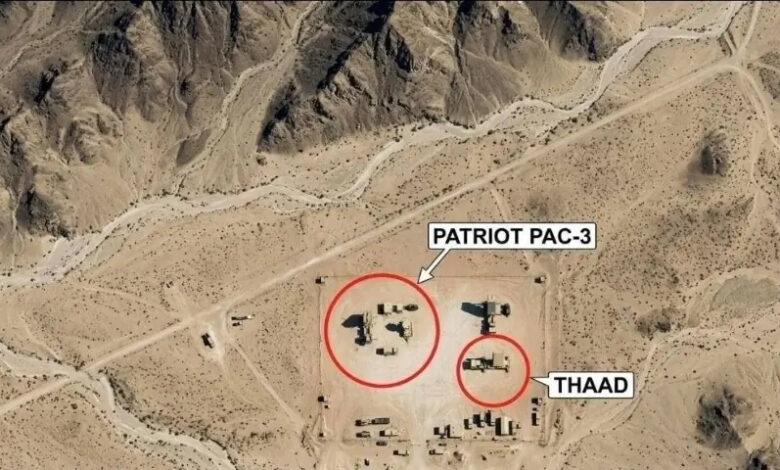
Islamabad: The United States has discreetly repositioned its advanced THAAD and Patriot missile defense systems across new locations in Jordan during a temporary ceasefire with Iran, according to a recent report. The covert movement was exposed on April 19 through satellite imagery released by Chinese commercial space firms, highlighting evolving military strategies and growing surveillance challenges in the region.
According to Defense Security Asia, the relocation followed Iranian strikes in March that reportedly damaged a THAAD system deployed near Jordan’s Muwaffaq Al-Salti Air Base. In response, Washington moved to restructure its defensive posture in the country.
A two-week ceasefire brokered with Pakistan’s mediation on April 8 provided the Pentagon a critical window to safely transfer sensitive military assets, including launchers, radar systems, and support equipment. Despite efforts to maintain secrecy, advanced satellite technology enabled Chinese firms to detect and publish images of the new deployments.
The images reportedly show THAAD systems alongside AN/TPY-2 radars, as well as Patriot batteries equipped with AN/MPQ-65 radars and command vehicles. US officials have neither confirmed nor denied the repositioning, though analysts say the layouts match known configurations.
Experts note that the US has adopted a dispersed deployment strategy rather than concentrating systems in a single location. This approach is designed to reduce vulnerability to potential Iranian missile and drone attacks.
The Patriot system is primarily used to intercept low-altitude threats such as cruise missiles and drones, while THAAD targets high-altitude ballistic missiles—together forming a layered missile defense network.
The exposure of these movements underscores the increasing role of commercial satellite surveillance in modern warfare. Analysts suggest that China’s release of such imagery demonstrates its growing intelligence capabilities, potentially challenging US informational dominance and enhancing Beijing’s strategic influence in the region.
The development also raises concerns for regional allies including Jordan, Saudi Arabia, and Qatar about the future concealment of critical military infrastructure, as visible deployments may become easier targets.
The move signals that Washington does not view the ceasefire as a lasting peace, but rather as an opportunity to prepare for potential future conflict. US forces are also believed to have reinforced air defense systems in other regional locations, including Saudi Arabia and Qatar.