Pakistan Suffer Fourth Defeat to India in Four Months as White-Ball Woes Deepen
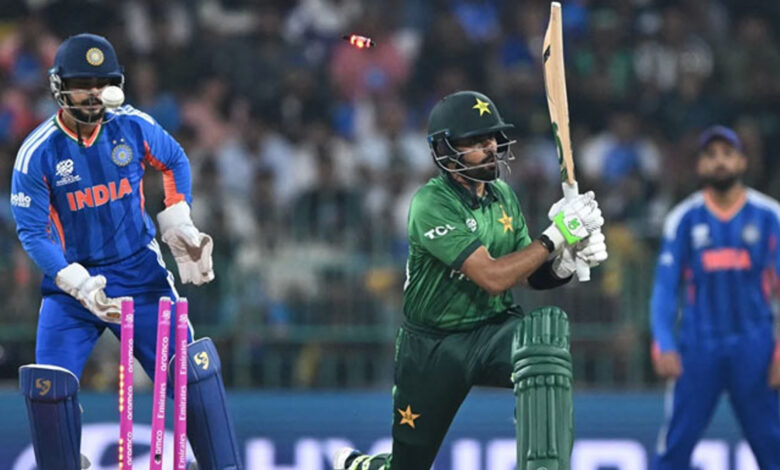
KARACHI: Pakistan endured their fourth defeat to India in the last four months, intensifying concerns over the national side’s white-ball performances and raising fresh questions about the country’s cricket system.
India registered their eighth consecutive T20 International victory over Pakistan, continuing their dominance in the format. Pakistan’s last win against their traditional rivals came on September 4, 2022, in Dubai during the Asia Cup. Since then, the two sides have met six times in T20Is, with India winning all encounters.


Sunday’s clash in Colombo highlighted Pakistan’s bowling struggles. Four bowlers — Salman Agha, Usman Tariq, Mohammad Nawaz, and Saim Ayub — conceded a combined 87 runs in 14 overs. Meanwhile, Shaheen Shah Afridi, Abrar Ahmed, and Shadab Khan gave away 86 runs in just six overs, a costly spell that significantly contributed to the defeat. Notably, Faheem Ashraf was not given the ball for the third consecutive match.
Since defeating India in the 2017 ICC Champions Trophy final at The Oval, Pakistan have struggled in white-ball encounters against their arch-rivals. Out of 16 One Day Internationals and T20 Internationals played between the two teams since that final, India have won 13, Pakistan have managed just two victories, and one match produced no result.
In T20 World Cup history, India’s dominance is even more pronounced. The two sides have faced each other nine times in the tournament, with India winning eight matches. Pakistan’s only victory came in 2021 in Dubai.
Pakistan have also suffered key defeats in recent global events. They lost to India in the 2022 T20 World Cup match in Melbourne. More recently, in June 2024 in New York, India edged Pakistan by six runs in a T20 World Cup encounter, where Pakistan failed to chase a modest 120-run target.
With repeated setbacks in major tournaments, criticism of Pakistan’s cricket structure and team management continues to grow as fans demand accountability and long-term reforms.