Saudi Cabinet Warns Houthis of “Severe Consequences”
ISLAMABAD: Saudi Arabia has warned Yemen’s Houthi rebels of the serious consequences of continued attacks on the Kingdom, saying such actions will not be tolerated.
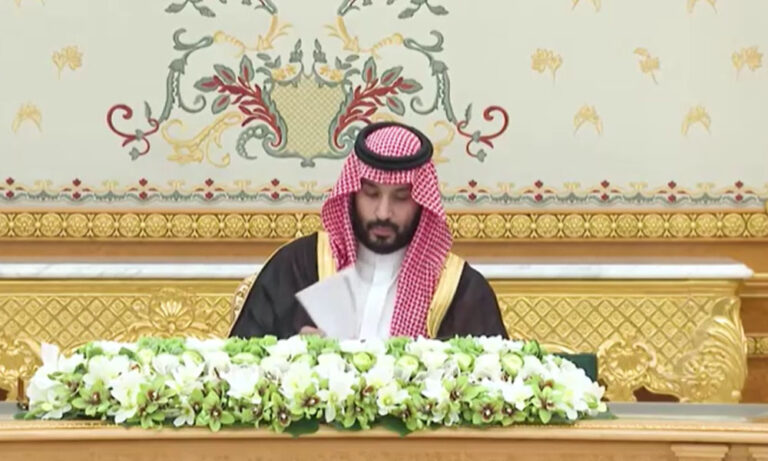
According to Reuters, the warning was issued during a Cabinet meeting held on Tuesday in Riyadh, chaired by Saudi Crown Prince Mohammed bin Salman.


According to Saudi state media, the Cabinet said the consequences of the Houthis’ continued attacks on the Kingdom would become apparent. The statement came at a time when incidents of targeting various Saudi airports and key installations with missiles and drones have increased.
Ballistic Missile Attack on Riyadh Airport Kills 13
A key factor behind the latest escalation between Saudi Arabia and the Houthis is the deadly missile attack on Riyadh’s King Khalid International Airport.
According to Reuters, the attack carried out on Saturday killed 13 people and injured more than 300. It is counted among the deadliest attacks on Saudi soil in more than a decade.
The Houthi military spokesman claimed responsibility for the attack, saying they had targeted Riyadh airport as well as other key Saudi installations.
On Sunday, reports emerged of another attack on Terminal 4 of the airport, in which one person was killed and 11 injured. Following the incident, flights at the airport were affected and Saudi authorities tightened security measures.
According to Reuters, recent weeks have seen an increase in confrontations in Yemen’s coastal areas and near the Red Sea. In response to advances by Saudi-backed Yemeni government forces, the Houthis have also intensified their military operations.
Could the War Between Saudi Arabia and the Houthis Escalate Further?
The Saudi Cabinet’s stern warning, reports of coalition forces’ operations in Sanaa, and Houthi threats of retaliatory attacks suggest that the risk of further escalation between the two sides remains.
If Saudi Arabia launches large-scale airstrikes against the Houthis, the group could attempt to again target Saudi airports, oil installations and other key sites with missiles and drones.
Conversely, continued attacks risk causing further harm to Yemen’s civilian population and worsening an already severe humanitarian crisis.
For now, the Saudi Cabinet has warned the Houthis of consequences, while the Houthis have hinted at a strong retaliatory response in the event of attacks on Sanaa.
Yemen’s Civil War: How Did the Conflict Begin?
The root causes of the current civil war in Yemen are political instability, power struggles and differences among various regional and local groups.
The Houthi movement captured the capital Sanaa in 2014, forcing the internationally recognized government to leave the capital.
In March 2015, Saudi Arabia, along with allied countries, launched a military intervention to help restore the Yemeni government and stop the Houthi advance.
In this war, Iran has been a key regional supporter of the Houthis, while Saudi Arabia has backed the Yemeni government. However, the Yemen conflict is not limited to Saudi-Iran rivalry alone; it also involves local political differences, tribal relations, regional interests and issues of power-sharing.
Why Did Fighting Resume After the 2022 Truce?
After the UN-brokered truce in 2022, the intensity of fighting on several frontlines in Yemen decreased significantly; however, a permanent political solution to the conflict did not emerge.
In 2023, efforts were made to move toward a permanent ceasefire through negotiations between Saudi Arabia and the Houthis, but the proposed roadmap was not formally implemented.
In 2026, changes in the balance of power within Yemen and renewed fierce clashes with Saudi-backed forces have once again worsened the situation.