Deadlock in Talks Primarily Due to Lack of Access to Imran Khan: Asad Qaiser
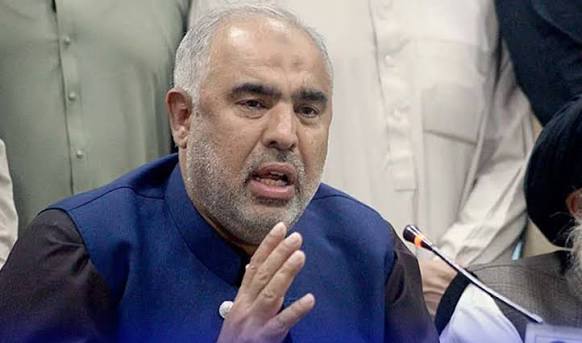
Islamabad (Qudrat Daily) — Opposition negotiation committee member and former National Assembly Speaker Asad Qaiser has said that the primary reason for the deadlock in negotiations between the government and the opposition is the issue of access to PTI founder Imran Khan.
In a video statement released on the social media platform X, PTI leader Asad Qaiser said that Pakistan comes first and no compromise will be made on Pakistan’s national interests. He stated that he wanted to present before the public the same position he had placed before the committee.
He said the opposition’s demand was that political leadership be allowed to meet and consult with the PTI founder first.
The PTI leader said that they had offered to withdraw all their demands, stating that their only demand was that political leadership be given access to the PTI founder. However, the government took the position that this matter would not be included in the agreement for now and was not even up for consideration. It was this stance that caused the deadlock in the negotiations.
ڈیڈلاک کی بنیادی وجہ یہ تھی کہ ہم یہ سمجھ رہے تھے کہ سب سے پہلے آپ ہمیں عمران خان تک ایکسیس دیں۔ اور ہم نے کہا کہ ہم تمام مطالبات واپس کرتے ہیں، ہمارا ایک ہی مطالبہ ہے کہ ہماری پولیٹیکل لیڈرشپ کو عمران خان تک رسائی دی جائے۔ تو انہوں نے کہا کہ ابھی تک وہ ایگریمنٹ میں شامل نہیں ہوگا اور اس وقت وہ قابلِ غور نہیں ہے۔
تو ہم نے پھر سوچا کہ اگر عمران خان تک ہمیں ایکسیس نہیں دی جاتی تو دیکھیں، اگر مسلم لیگ (ن) ہر معاملہ نواز شریف یا شہباز شریف سے پوچھ کر کرتی ہے، یا پیپلز پارٹی ہر معاملہ بلاول بھٹو اور آصف زرداری سے پوچھ کر کرتی ہے، تو ہمارا لیڈر عمران خان، جو سب سے مقبول لیڈر ہے اور جیل میں ہے، تو جو بھی پالیسی بنے گی کیا ہم اس سے مشاورت نہیں کریں گے؟ کیا ہم اس کی ڈائریکشن نہیں لیں گے؟ تو اس لیے ہمارا سب سے بڑا مسئلہ یہی ہے۔
جو اس کو دہشت گردی کی شکل دے رہا ہے ۔ بالکل ایسا نہیں ہے۔ میں آپ کے سامنے وہ چیز رکھتا ہوں جو ہم اس میں شامل کرنا چاہتے تھے کہ: “کے پی میں جاری دہشت گردی کے خاتمے، عوام کی جان و مال کے تحفظ اور مستقل، پائیدار امن کے قیام کے لیے وفاق اور صوبائی حکومتوں کے درمیان مؤثر، مسلسل اور بامعنی مشاورت کو یقینی بنایا جائے گا۔ اس مقصد کے لیے موجودہ پالیسیوں اور اقدامات کا باقاعدہ جائزہ لیا جائے گا اور ضرورت کے مطابق ان میں مناسب ترامیم کی جائیں گی۔ وفاق اور صوبائی حکومت کے مجاز نمائندگان 72 گھنٹوں کے اندر باقاعدہ اجلاس منعقد کرکے، باہمی مشاورت سے امن و امان کے قیام کے لیے ایک واضح، جامع، قابلِ عمل اور متفقہ لائحہ عمل مرتب کریں گے، اور اس میں تمام سیاسی پارٹیوں کے ذمہ دار لیڈرز اور اسٹیک ہولڈرز کو شامل کیا جائے گا تاکہ جو پالیسی بنے اسے پوری عوام کا اعتماد حاصل ہو"-— Asad Qaiser (@AsadQaiserPTI) October 4, 2026
Asad Qaiser raised the question: if access to the PTI founder is not granted, how will policy be made? He noted that PML-N consults Nawaz Sharif and Shehbaz Sharif on every matter, while the PPP consults Bilawal Bhutto Zardari and Asif Zardari.
He said that PTI founder Imran Khan is the country’s most popular political leader and is currently in jail — so why should he not be consulted and given instructions when making policy? This, he said, is the opposition’s biggest issue.
Asad Qaiser made clear that linking the demand for access to the PTI founder with terrorism is not correct, and giving it the shape of terrorism is not appropriate.
He further said that the matter of meeting and consulting with the PTI founder remained among the key points in the recent negotiations between the government and the opposition.
The former National Assembly Speaker said that Khyber Pakhtunkhwa has been enduring the effects of unrest and terrorism for nearly four decades, which has severely affected not only law and order but also business, industry, investment, and the lives of ordinary citizens.
He said that the Khyber Pakhtunkhwa Assembly’s unanimous resolution was placed before the committee, and the position was taken that this resolution should be taken into account when formulating future policy on law and order and terrorism.
The statement said that while reviewing the National Action Plan and other policies, all parliamentary parties of the province and relevant stakeholders should be included in consultations.
He took the position that if the federal government does not want to consult directly with PTI, then a consensus course of action should be formulated by consulting Jamaat-e-Islami, ANP, PPP, PML-N, and other relevant stakeholders, and the provincial government would respect such a consensus.
“I want to give a clarification statement today. Today, Mohsin Naqvi Sahib in his press conference spoke about our conversation and cooperation with the federal government against terrorism. I want to make clear that I too had taken the same position — that Pakistan comes first and no compromise will be made on Pakistan’s national interests.”
“I placed my position before the committee in detail, and I consider it necessary to present that complete position before the public. The province I belong to, Khyber Pakhtunkhwa, has been enduring the effects of unrest and terrorism for nearly four decades. This situation has severely affected law and order as well as business, industry, investment, and the lives of ordinary citizens.”
“I first placed before the committee the unanimous resolution of the Khyber Pakhtunkhwa Assembly, regarding which our position was that this resolution should be taken into account when formulating future policy on law and order and terrorism. While reviewing the National Action Plan and other policies, all parliamentary parties of the province and relevant stakeholders should be included in consultations. Our position was also that if the federal government does not want to consult directly with PTI, then a consensus course of action should be formulated by consulting Jamaat-e-Islami, ANP, PPP, PML-N, and other relevant stakeholders; the provincial government will respect such a consensus.”
In his clarification statement regarding the Police Act, Asad Qaiser said that they did not refuse to discuss the Police Act but that it could be reviewed again; however, the relevant laws of Punjab, Sindh, and Balochistan should also be kept in view.
He said that if the chief ministers of other provinces have administrative powers related to law and order, then the matter of the Khyber Pakhtunkhwa Chief Minister’s powers should also be discussed under the same principles.
The PTI leader said in his position that if the province’s chief executive is accountable for law and order, then there should also be an effective mechanism for consulting him on important police appointments and administrative decisions.
He also clarified the impression that the provincial government is not serious about law and order. In this regard, data related to the police budget, salaries, modern equipment, development projects, and capacity building was presented before the committee.
دوسرا معاملہ پولیس ایکٹ کا تھا۔ ہم نے یہ نہیں کہا کہ پولیس ایکٹ پر بات نہیں ہوسکتی۔ اسے ضرور revisit کیا جاسکتا ہے، لیکن پنجاب، سندھ اور بلوچستان کے متعلقہ قوانین کو بھی سامنے رکھا جائے۔ اگر دوسرے صوبوں کے وزرائے اعلیٰ کو امن و امان سے متعلق انتظامی اختیارات حاصل ہیں تو خیبرپختونخوا کے وزیراعلیٰ کے اختیارات کے معاملے پر بھی یکساں اصولوں کے تحت بات ہونی چاہیے۔ صوبے کا چیف ایگزیکٹو اگر امن و امان کا جواب دہ ہے تو اہم پولیس تقرریوں اور انتظامی فیصلوں میں اس سے مشاورت کا مؤثر طریقہ بھی ہونا چاہیے۔
تیسرا نکتہ یہ تھا کہ صوبائی حکومت امن و امان کے معاملے میں سنجیدہ نہیں۔ اس کے جواب میں میں نے کمیٹی کے سامنے پولیس کے بجٹ، تنخواہوں، جدید سازوسامان، ترقیاتی منصوبوں اور capacity enhancement سے متعلق اعداد و شمار رکھے۔ ہمارا مؤقف ہے کہ صوبائی حکومت نے پولیس کی استعداد بڑھانے، اہلکاروں کی مراعات بہتر بنانے اور حساس اضلاع میں پولیس کو مضبوط کرنے کے لیے خاطر خواہ وسائل مختص کیے ہیں۔
پانچ حساس اضلاع میں پولیس کی استعداد بڑھانے کے منصوبے کے حوالے سے بھی ہمارا مؤقف ہے کہ صوبائی حکومت نے اپنے حصے کے فنڈز بجٹ میں مختص کیے، جبکہ وفاقی حصے کے حوالے سے سوالات موجود ہیں۔ ان تمام اعداد و شمار اور مختص رقوم کی تفصیلات بھی کمیٹی کے سامنے رکھی گئی ہیں۔
اصل سوال یہ ہے کہ امن و امان کسی ایک جماعت، حکومت یا ادارے کا مسئلہ نہیں بلکہ پورے پاکستان کا مسئلہ ہے۔ اختلافات اپنی جگہ، لیکن دہشت گردی کے خاتمے کے لیے وفاق، صوبے، تمام سیاسی جماعتوں، سکیورٹی اداروں اور متعلقہ اسٹیک ہولڈرز کے درمیان سنجیدہ اور مسلسل مشاورت ضروری ہے۔ پاکستان سب سے پہلے ہے اور ہمیں آئین، قانون اور باہمی اعتماد کے ساتھ آگے بڑھنا ہوگا.2/2— Asad Qaiser (@AsadQaiserPTI) October 4, 2026
He said that the provincial government has allocated substantial resources to enhance police capacity, improve personnel allowances, and strengthen police in sensitive districts. Regarding the plan to enhance police capacity in five sensitive districts, he said that the provincial government allocated its share of funds in the budget; however, questions remain regarding the federal share. All data and details of allocated funds were also placed before the committee in this regard.
Asad Qaiser said that law and order is not the issue of any one party, government, or institution but of all of Pakistan. Differences are one thing, but serious and continuous consultation among the federation, provinces, all political parties, security agencies, and relevant stakeholders is essential for the elimination of terrorism.
In conclusion, he said that Pakistan comes first and the country must move forward with the Constitution, the law, and mutual trust.