Iran Turns to Railways to Export Oil Amid US Sanctions, Maritime Disruptions
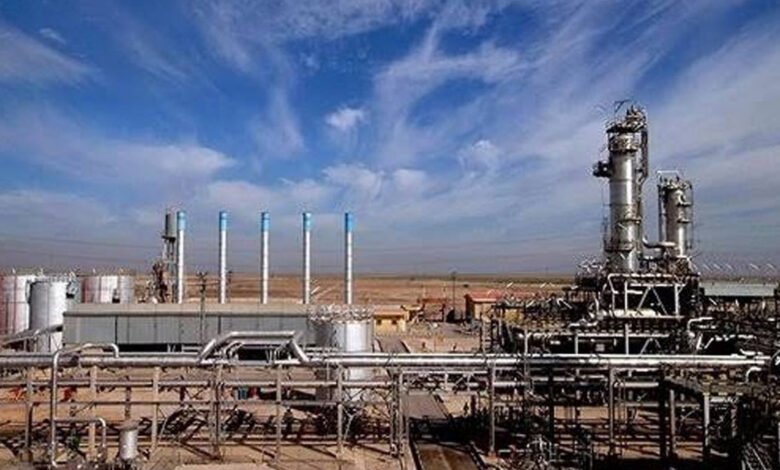
Iran has begun relying on rail routes to transport crude oil exports as US sanctions and disruptions to maritime routes continue to hamper its traditional sea-based shipments.
According to a report trending on social media, Iran’s seaborne oil exports have fallen from around **2.1 million barrels per day to approximately 567,000 barrels per day**, prompting Tehran to increase its reliance on alternative overland routes.
Iran is reportedly seeking to transport oil to various cities in China through a **10,400-kilometre railway corridor**, with the journey potentially taking around **15 days**.
Sources said Iran is also increasing the number of **pressurized oil tanker railcars** and reactivating older storage facilities to maintain the flow of crude shipments.
However, transporting oil by rail is significantly more expensive than by sea. Estimates suggest that rail transportation costs around **$15 per barrel**, compared with approximately **$5 per barrel** by sea.
Capacity is another major challenge. A single oil train can carry around **70,000 barrels**, while a large oil tanker can transport **more than 2 million barrels**.
The reported decline in Iran’s seaborne oil exports has therefore pushed Tehran toward costly alternative transportation routes as it seeks to maintain crude supplies to key markets, particularly China.