PPP’s Financial Strength Led to PML-N’s Weak Performance in Gilgit-Baltistan, Says Khawaja Saad Rafique
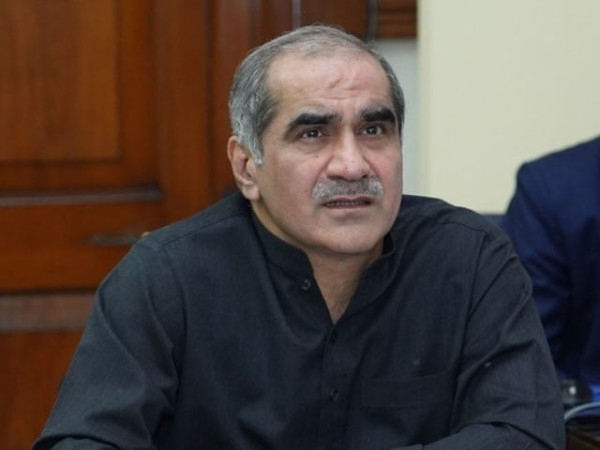
ISLAMABAD: Senior Pakistan Muslim League-Nawaz (PML-N) leader and former federal minister Khawaja Saad Rafique has said that his party lagged behind in Gilgit-Baltistan due to the “unlimited financial resources” of the Pakistan Peoples Party, rather than lack of effort.
In a statement posted on social media platform X, he said that many voters opposed to the current system and the Pakistan Tehreek-e-Insaf (PTI) chose to support the Pakistan Peoples Party (PPP) in the elections when PTI was not actively contesting.

Referring to the election results, he said that the PPP emerged as the largest party by winning around ten seats, adding that it was “surprising” that despite this, the party continued to question the authenticity of the results.
He further stated that the absence of PTI from the electoral field could have impacted voter behavior and the overall credibility of the electoral process.
Saad Rafique claimed that the PML-N performed well in a short time but faced limitations due to lack of funding and organizational support compared to the PPP’s stronger financial position. He said that despite constraints, the party’s candidates managed to secure a respectable number of votes in most constituencies.
He added that the election results have helped strengthen the PML-N’s political presence in Gilgit-Baltistan, noting a renewed enthusiasm among party workers during his recent eight-day visit.
Highlighting internal challenges, he pointed to delayed decision-making, limited resources, and weak organizational structure as areas of concern for the party leadership.
He further stated that if the PPP forms the government in Gilgit-Baltistan, it should be allowed to do so as per its mandate, while suggesting that PML-N should support governance cooperation without necessarily joining the government and instead focus on opposition and constitutional roles.
Calling Gilgit-Baltistan a strategically important and resource-rich region facing long-standing development challenges, he proposed that all political stakeholders should work together to develop a long-term development charter for the region.