Pashtunkhwa National Awami Party Condemns Quetta–Chaman Train Suspension, Threatens Protest Movement
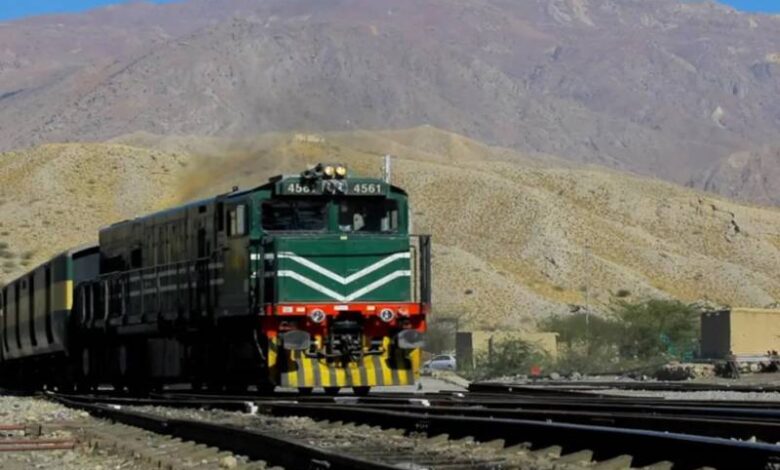
Quetta: Pashtunkhwa National Awami Party (PkMAP) has strongly criticized the suspension of the Quetta–Chaman passenger train, calling the decision anti-public and a clear injustice to the people of the region.
In a detailed statement issued from its provincial secretariat, the party expressed serious concern over the move, stating that the train service had long served as an affordable, safe, and reliable mode of transport for thousands traveling between Quetta and Chaman. It added that hundreds of families who depended on the service for their livelihood would be severely affected.
The statement highlighted that students, laborers, patients, small traders, and ordinary citizens would suffer the most, especially amid ongoing inflation and economic challenges. It noted that many cannot afford costly alternative transportation, and the suspension would disrupt access to education, healthcare, and business activities.
PkMAP further argued that such decisions push underdeveloped regions toward greater deprivation and isolation. The party urged the government to consider public interest, ground realities, and social impacts before اتخاذing such measures.
Referring to Pakistan Railways, the party said the institution’s primary responsibility is to provide affordable, safe, and efficient travel facilities, not to deprive citizens of essential services.
The statement also suggested that if the train service faced technical, administrative, or financial challenges, the government should resolve them instead of suspending operations altogether.
PkMAP demanded the immediate restoration of the Quetta–Chaman passenger train and called for improvements to ensure its regular operation. It warned that if the decision is not reversed, the party would launch a strong and organized protest movement with wide public participation.
The statement concluded by emphasizing that addressing public issues is the foundation of good governance and that governments must avoid decisions that increase the hardships of citizens.