Rising Demand for Iranian Rial in Pakistan: Why It’s Increasing and What Caution Buyers Should Take
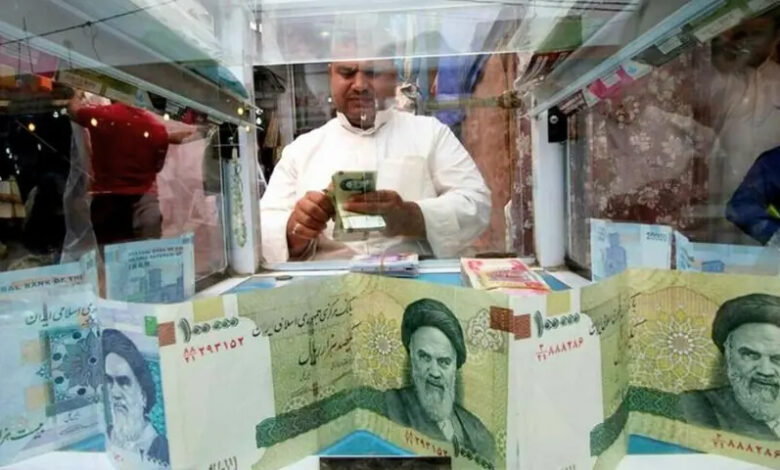
Karachi: Pakistan’s currency market is witnessing an unusual trend as demand for the Iranian rial has surged sharply in recent days, surprising both traders and analysts. The currency, which had previously lost significant value before the conflict that began on February 28, has now unexpectedly become a focus of interest for Pakistani buyers.
According to market data, before the war, one crore Iranian rials were valued at around Rs2,500 in Pakistan. However, the same amount has now risen to approximately Rs10,000, indicating a fourfold increase in value.
The key question being asked is why Pakistani buyers are suddenly purchasing Iranian currency.
Experts say one major reason is speculative investment, as traders are expecting potential profits in the future. Speaking on the situation, Chairman of the Exchange Companies Association of Pakistan, Malik Bostan, said there are currently two types of buyers in the market: traders with increased cross-border trade activity and speculative investors hoping for currency appreciation.
He explained that many investors believe that if ongoing negotiations between the United States and Iran succeed or sanctions are eased, the Iranian rial could strengthen further, prompting them to accumulate the currency at current rates.
Another major factor is the rise in cross-border trade, particularly in petroleum products and essential goods. Exporters are now accepting payment in rials for goods sold to Iran and later converting them into local currency, while importers are purchasing rials for trade transactions.
Reports also suggest that Iran has increased its oil sales by up to 30%, boosting investor confidence that a potential peace deal could further strengthen its economy and currency.
Although official trade figures remain unclear, Pakistan-Iran bilateral trade is estimated to have reached nearly $3 billion, with both countries aiming to increase it to $10 billion by 2028. Deputy Prime Minister Ishaq Dar has also reiterated Pakistan’s commitment to expanding cooperation with Iran in key sectors.
However, analysts warn that the recent surge in demand is largely driven by speculation and uncertainty rather than strong economic fundamentals. They caution that the rial remains highly volatile and could fluctuate sharply if geopolitical conditions change.
Experts also advise caution to ordinary investors due to the risk of counterfeit Iranian currency circulating in informal markets.
Despite the risks, current exchange rates show that on Tuesday, April 14, 2026, one Pakistani rupee was equivalent to 5,680 Iranian rials, a slight decrease of 40 rials (0.70%) compared to the previous day, when it stood at 5,720 rials.