Sindh Govt Announces Monthly Cash Subsidy for Motorcyclists Amid Rising Fuel Prices
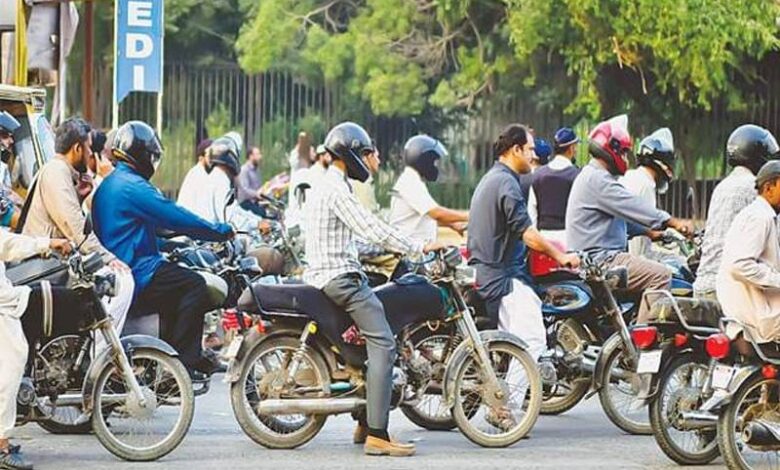
Karachi: The Sindh government has decided to provide a monthly subsidy of PKR 2,000 to motorcyclists in response to rising petrol prices and the ongoing energy crisis.
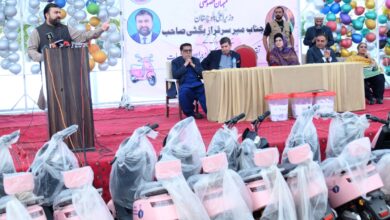
Speaking at a press conference, Chief Minister Syed Murad Ali Shah said the initiative aims to ease the financial burden on citizens who rely on motorcycles for daily commuting. He announced that a dedicated mobile application will be launched within the next few days, enabling users to register their motorcycles through their national identity cards.


Under the plan, motorcycle owners will receive PKR 100 per liter subsidy for up to 20 liters per month, which translates into PKR 2,000 monthly support. The subsidy will only be available for registered motorcycles, and owners have been given 15 days to transfer ownership into their names if not already done. The government has also made motorcycle ownership transfer free of cost during this period.
Officials said that in the initial phase, the subsidy will apply to 70cc motorcycles and auto-rickshaws, while larger motorcycles and unregistered vehicles will not be eligible. The subsidy will be distributed through a digital system developed with the support of the IT department.
In addition, the Sindh government has announced support measures for farmers and the transport sector:
Farmers’ Support: Small farmers will receive PKR 1,500 per acre, with payments to begin soon. The government has also set the wheat price at PKR 3,500 per maund.
Transport Subsidy: Public and goods transport operators will receive monthly subsidies ranging from PKR 70,000 to PKR 100,000.
Murad Ali Shah stated that the subsidy model is targeted, designed to support those most affected by rising fuel prices rather than providing blanket subsidies. He added that the initiative was developed after consultations at the federal and provincial levels, including discussions involving Asif Ali Zardari.
The Chief Minister emphasized that Pakistan’s reliance on imported fuel and rising global energy prices have made such targeted relief measures necessary to protect vulnerable segments of society.