Pakistan Orders Foreign Airlines to Carry Return Jet Fuel Amid Global Tensions and Fuel Crisis
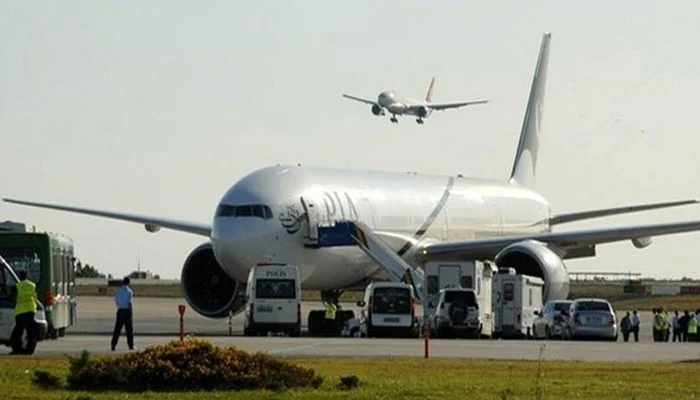
Islamabad: In response to escalating tensions in the Middle East and soaring fuel prices, Pakistan has taken an unprecedented step by directing all incoming foreign airlines to bring enough jet fuel for their return journeys. The directive, issued by the Pakistan Airports Authority (PAA), will remain in effect until the end of March. Spokesperson Saifullah stated that the measure is a precautionary strategy to ensure uninterrupted flight operations if global supply chains are disrupted.
Record Fuel Price Surge and Mandatory Tankering
Reports indicate that jet fuel prices in Pakistan have skyrocketed from PKR 176 to PKR 417 per liter due to regional instability. Airlines are now compelled to adopt “tankering”—carrying extra fuel onboard—a practice previously used to save costs but now a technical necessity.

Impact on Passengers
Aviation experts, including senior reporter Raja Kamran, explained that additional fuel increases aircraft weight. To maintain safety limits, airlines have been forced to offload passenger cargo. Recently, a flight from Karachi to Doha had to make an emergency landing in Muscat due to fuel limitations, and several passengers’ luggage could not be accommodated onboard.
Economic and Operational Implications
The Middle East’s airspace sits at the intersection of Asia, Europe, and Africa. Potential airspace closures are increasing flight durations and operational costs. Experts warn that airlines may pass these additional expenses onto passengers through higher ticket prices.
Authorities maintain that the precautionary directive was essential to prevent a larger crisis. However, long-term impacts on airport traffic, cargo services, and airline operations in Pakistan remain a concern.