Pakistan Plans to Eliminate Rs1.5 Trillion Gas Circular Debt in Three Years
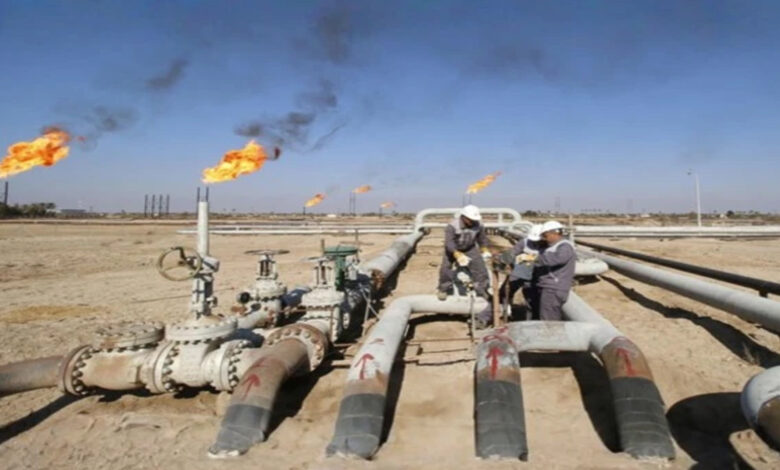
The government of **Pakistan** has prepared a plan to eliminate around Rs1.5 trillion in circular debt in the gas sector within the next three years and has sought approval from the **International Monetary Fund (IMF)**.
According to sources, the proposal was discussed during the recent negotiations for the third review of Pakistan’s $7 billion bailout programme with the IMF. However, the fund has not yet made a final decision on the plan. The government aims to secure IMF approval before June so that one-third of the total payable amount can be allocated in the upcoming federal budget.


Officials said the total circular debt in the gas sector has exceeded Rs3.4 trillion, including about Rs1.8 trillion in principal liabilities. Under the proposed plan, the government intends to clear around Rs1.5 trillion, while the remaining amount is tied up in tax refunds and ongoing court cases.
The plan also proposes payments to oil and gas companies on the condition that they waive approximately Rs1.6 trillion in late payment surcharges.
Sources further revealed that the government is considering imposing a levy of Rs5 per litre on petrol and diesel to help finance the debt settlement. Currently, a petroleum levy is already included in fuel prices, generating roughly Rs12 billion per month.
In addition, the government aims to raise nearly Rs850 billion through profits and windfall gains from major state-owned energy companies including **Oil and Gas Development Company Limited (OGDCL)**, **Pakistan Petroleum Limited (PPL)** and **Government Holdings (Private) Limited. Another Rs400 billion is expected to be generated through savings in liquefied natural gas (LNG) costs.
However, the IMF has expressed concerns that extracting such large amounts from these companies could affect their financial health and future investment capacity.
The government has assured the IMF that gas prices will be reviewed annually in order to prevent the circular debt from increasing again in the future.