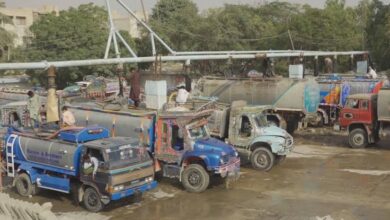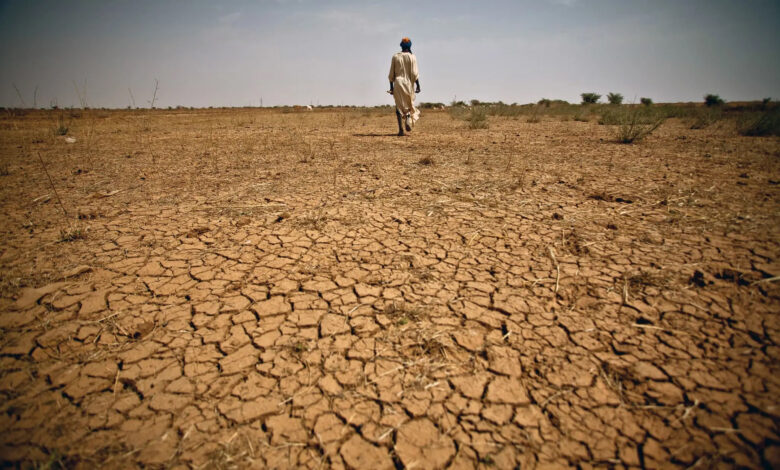
Before sunrise in a small village outside of Loralai, “Dargee,” a 50-year-old zahoor walks with two empty plastic containers toward a shallow, well, nearly a kilometre from his home. The water is cloudy and slightly salty, but it is the only source available to his family.
“We know the water is not clean,” he says, lifting the containers onto a donkey cart. “But if we don’t drink it, we have nothing.”


Over the past year, Zahoor has been suffering from severe fatigue and recurring pain in his lower back. When he finally visited a doctor in the district town, he was told his symptoms could be linked to kidney complications. According to healthcare workers, such a situation is increasingly becoming common in drought affected areas of Balochistan.
Scarcity of Water and kidney risks:
Doctors believe that the connection between water quality, extreme heat, and kidney disease is becoming clearer as climate stress deepens.
A research published in the Journal of the Pakistan Medical Association notes that chronic kidney disease is a growing public health concern in Pakistan, with estimates suggesting that 12% to 31% of the population may be affected by end stage renal disease in some form.
While diabetes and hypertension remain major causes, environmental factors are increasingly recognized as contributors.
“Poor drinking water combined with dehydration can put serious pressure on kidney function,” explained Dr. Anwar, a physician running a clinic in Loralai. “When people drink saline or contaminated water and remain dehydrated during extreme heat, kidney stones, infections, and chronic damage become more likely.”
Scientific research supports these observations. Studies have shown that heat stress and dehydration significantly increase the risk of acute kidney injury, especially among populations exposed to high temperatures or limited water access.
Climate change,a contributor to crisis:
The problem is closely tied to climate change. Balochistan is Pakistan’s driest province, where water resources are already fragile.
According to climate and health researchers, Pakistan has entered a period of severe water scarcity, with water availability falling below 1,000 cubic meters per person annually, the internationally recognized threshold for water stressed countries.
Rising temperatures and irregular rainfall patterns have made the situation worse in rural districts like Loralai. When traditional water sources dry up, communities often turn to underground wells or stagnant reservoirs where water may contain high salinity or bacterial contamination.
Public health experts warn that the combination of extreme heat and limited access to safe water can trigger serious health consequences.
Research published in BMJ shows that exposure to extreme heat can reduce blood flow to the kidneys and impair filtration, potentially leading to acute kidney injury or long-term kidney disease.
Another analysis highlights how heatwaves combined with water shortages increase the risk of dehydration, kidney injury, and other illnesses, particularly in vulnerable communities across South Asia.
Vulnerable communities:
In districts like Loralai, where healthcare facilities are limited and safe water infrastructure is weak, the impact can be severe.Local health workers say patients often arrive at clinics with symptoms such as kidney stones, urinary infections, and chronic dehydration conditions linked to prolonged consumption of unsafe water.
Environmental researchers argue that the issue is not just a health problem but a climate adaptation challenge.“When climate change reduces water availability, people are forced to drink whatever water they can find,” says environmental analyst Sanaullah Kakar. “That often means water with high mineral content or contamination, which can gradually damage the kidneys.”
A daily struggle for survival:
Back in his village, Zaroor continues to rely on the same well that may have contributed to his illness. Buying bottled water is impossible for most families here, where livelihoods depend on small-scale farming already threatened by drought.
Standing beside the well, he pauses before lifting another container.
“Water is life,” he says with a roaring voice. “But here, even water is becoming a danger.”
For communities across Balochistan, the growing climate crisis is no longer only about failing crops or disappearing rain. It is also about something far more immediate the health of people whose bodies are bearing the hidden cost of a warming planet.