Iran–Israel Tensions Trigger Fuel and Food Shortage in Balochistan Border Areas
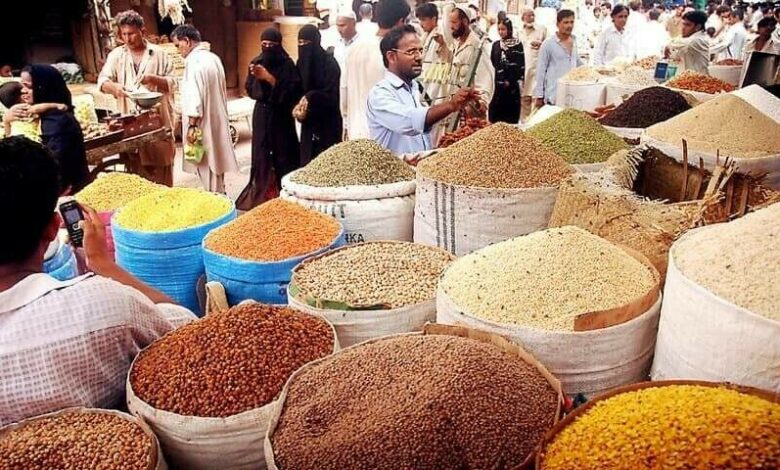
Quetta: The ongoing tensions involving Iran, Israel, and the United States have begun to affect Pakistan’s border regions in Balochistan, creating a serious shortage of fuel, food, and other essential commodities.
Border districts in the Makran and Rakhshan divisions—including Gwadar, Kech, Panjgur, Chagai, and Washuk—depend heavily on Iranian products, with more than 80 percent of local supplies traditionally coming from across the border. However, the suspension of cross-border trade amid the regional conflict has severely disrupted the local economy.


According to Ishaq Roshan Dashti, President of the All Makran Traders Alliance, Iran’s decision to restrict the export of food items has led to a severe shortage of flour, ghee, cooking oil, and LPG in the region. Local traders say that a 40-kilogram bag of flour, previously available at cheaper rates through the Iranian border, has now disappeared from the market, forcing residents to buy more expensive Pakistani flour.
Prices of Iranian beverages such as milk drinks and lassi have also increased by 20 to 40 percent in markets across the province, including Quetta’s Breach Market.
The most alarming situation has emerged in the fuel sector. Iranian petrol and diesel—previously available at nearly half the price of Pakistani fuel—have seen sharp increases. Traders, including Behroz Baloch and Nazir Ahmed Barkazai, claim that the prices of Iranian fuel have risen by 60 to 80 percent within a week.
In coastal towns such as Gwadar, Pasni, and Ormara, petrol prices have reportedly reached up to Rs240 per litre, severely affecting the fishing industry, which supports nearly 70 percent of the local population.
In many of these border areas where there is no organized network for Pakistani petroleum products, the informal trade and smuggling of Iranian fuel has long served as a major source of livelihood. Government estimates suggest that around 2.2 to 2.4 million people depend on this trade.
Traders have warned that if the border closure and supply disruptions continue, a complete food and fuel crisis could emerge in the coming days, with serious social and economic consequences for the entire province.