Cold Wave and Snowfall in Pakistan Not Linked to Active La Niña: Met Department
Karachi: The Pakistan Meteorological Department (PMD) has dismissed claims circulating on social media that the ongoing cold wave and snowfall across Pakistan are due to the activation of La Niña, clarifying that the phenomenon is in fact weakening and moving towards neutral conditions.
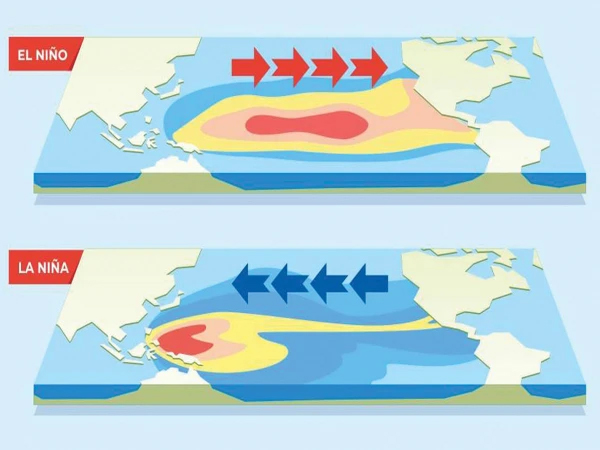
El Niño and La Niña are global climate phenomena originating in the Pacific Ocean, thousands of miles away from Pakistan, yet they significantly influence weather patterns in South Asia. El Niño is associated with warmer ocean temperatures, while La Niña indicates cooler-than-normal sea surface temperatures.
In recent days, social media users attributed the intense cold and snowfall in Karachi and other parts of the country to a strong La Niña. However, PMD Deputy Director and spokesperson Anjum Nazir Zaigham rejected this perception, calling it incorrect and misleading.
According to the PMD, if La Niña were currently active and strong during winter, it would suppress rainfall across the country. The recent winter rains in several cities are clear evidence that La Niña is weakening, and it is expected to become neutral by February.
Zaigham explained that during an active La Niña phase in winter, rain systems are usually blocked, whereas El Niño conditions tend to increase heat intensity, prolong heatwaves, and reduce rainfall—particularly affecting Sindh and Balochistan, where drought conditions can worsen, impacting agriculture and water availability.
While La Niña can contribute to severe cold and heavy snowfall in northern areas and cold winds in the plains, experts stress that Pakistan’s extreme and unpredictable weather cannot be blamed solely on El Niño or La Niña.
Meteorologists warn that climate change is the far more serious underlying factor, intensifying natural weather phenomena and making extreme events—such as heatwaves, floods, droughts, and cold spells—more frequent and severe.
Pakistan remains among the countries most vulnerable to even minor shifts in the global climate system, highlighting the urgent need for climate resilience and accurate public awareness about weather phenomena.