US Dollar Slides to Near Four-Year Low After Trump Remarks, Euro and Pound Surge
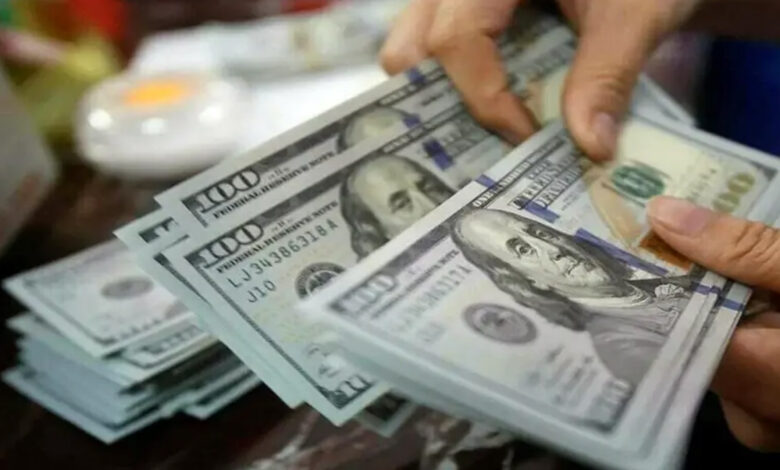
LONDON/NEW YORK:The US dollar came under heavy pressure following recent remarks by US President Donald Trump, leading to a sharp rise in the euro, Japanese yen and British pound. On Wednesday, the dollar was seen trading near its lowest level in almost four years.
The euro crossed the $1.20 mark for the first time since 2021, reaching $1.2015, while the British pound traded near its highest level since 2021 at $1.3823.


President Trump, responding to questions from reporters on Tuesday, described the dollar’s value as “excellent.” However, traders interpreted the comments as a signal to sell the greenback, intensifying downward pressure in the market.
Analysts said that while Trump’s remarks were not new, they came at a time when the dollar was already under strain. Investors are closely watching potential joint currency intervention by the United States and Japan to stabilize the yen.
Speaking to Reuters, Capital.com senior market analyst Kyle Rodda said the situation reflects a growing confidence crisis surrounding the US dollar. He added that as long as uncertainty persists around the Trump administration’s trade, foreign and economic policies, the dollar may remain weak.
Data shows the dollar has fallen more than nine percent since the start of 2025, including a decline of around 2.3 percent in January alone. Investor concerns include the independence of the US Federal Reserve, rising government spending, and uncertainty over global diplomatic policies.
Market attention is now focused on the Federal Reserve’s upcoming policy decision, where the central bank is widely expected to keep interest rates unchanged.
The dollar’s weakness further supported the Japanese yen, which strengthened to 152.60 per dollar, close to a three-month high. Japanese officials said they remain in close contact with the US on foreign exchange matters but did not provide details on any potential intervention.
Meanwhile, the Australian dollar rose to $0.70225, its highest level since February 2023. The gains followed data showing inflation rose more than expected in the December quarter, boosting expectations that the Reserve Bank of Australia may raise interest rates sooner than anticipated.