Saudi Arabia Opens Door for Foreigners to Buy Property from January 2026: Rules and Procedure Explained
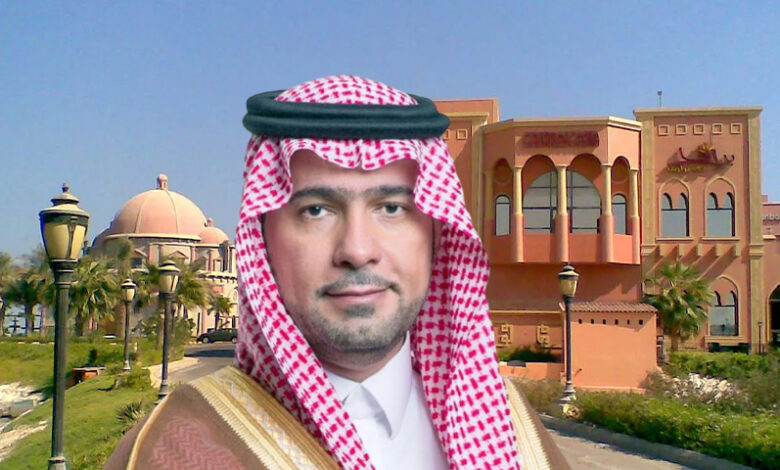
Riyadh: Saudi Arabia is set to introduce a revised legal framework governing property ownership and real estate rights for non-Saudis starting January 2026, marking a major shift in the Kingdom’s approach to foreign property ownership.
According to Minister of Municipal and Housing Affairs Majid Al-Hogail, the new system will allow foreigners to purchase residential property in most Saudi cities. However, four cities—Makkah, Madinah, Jeddah, and Riyadh—have been excluded from this provision.


Under the revised rules, expatriates residing in Saudi Arabia will be allowed to own one residential unit, while non-resident foreigners will only be permitted to own property in specific areas approved by the authorities.
### Where Foreigners Can and Cannot Buy Property
The minister said foreigners will generally be allowed to own residential property across the Kingdom, except in the four excluded cities. In the future, special zones may also be designated for non-resident foreign ownership.
For commercial, industrial, and agricultural properties, foreigners will be allowed ownership in all cities without exception, a move expected to boost investment and business activity.
In a defining moment for the sector, HE Majid AlHogail, Minister of Municipalities and Housing, outlines how Saudi Arabia’s new ownership framework will expand investment, accelerate development, and set the tone for 2026 at RFF2026
26-28 January 2026 pic.twitter.com/sqgMdeHee8— منتدى مستقبل العقار (@Reff_KSA) December 9, 2025
### Clear Legal Framework and Limits
The new system establishes clear geographical boundaries, ownership limits, and legal regulations to govern foreign property ownership. Non-Saudis will be allowed to acquire property or other real rights only in areas approved by the Council of Ministers, based on recommendations from the Real Estate General Authority and endorsement by the Council of Economic and Development Affairs.
These approvals will specify the types of permitted rights, maximum ownership ratios, and other conditions.
### Residential Ownership for Resident Foreigners
Under the law, resident expatriates will be allowed to own one residential property outside designated zones, except in Makkah and Madinah. Property ownership in the two holy cities will remain restricted to Muslims only.
### Rules for Companies and Investment Entities
Unlisted companies with foreign ownership, if established under Saudi company law, will be allowed to own property in approved geographical areas, including Makkah and Madinah. Such companies may also own property outside these areas for business purposes or employee housing, subject to approved regulations.
Listed companies, investment funds, and special-purpose entities will be allowed to own property throughout Saudi Arabia, including the holy cities, under regulations issued by the Capital Market Authority in coordination with the Real Estate General Authority and other relevant bodies.
### Fees, Registration, and Penalties
The system clarifies that foreign property ownership does not grant additional privileges beyond those specified in the law, nor does it affect rights granted under other programs such as the Premium Residency Program or Gulf Cooperation Council agreements.
All non-Saudi individuals and entities must register with the relevant authorities, and property ownership will only be legally recognized once recorded in the real estate registry.
A transaction fee of up to 5 percent of the property value will be imposed on foreign ownership, with details to be outlined in the executive regulations.
Violations of the law may result in warnings or fines, while providing false information could lead to penalties of up to 10 million Saudi riyals and, in certain cases, the forced sale of the property by court order.