Pakistan Blocks Attempt to Import Afghan Fruits via Iran as Over 5,500 Transit Containers Remain Stranded
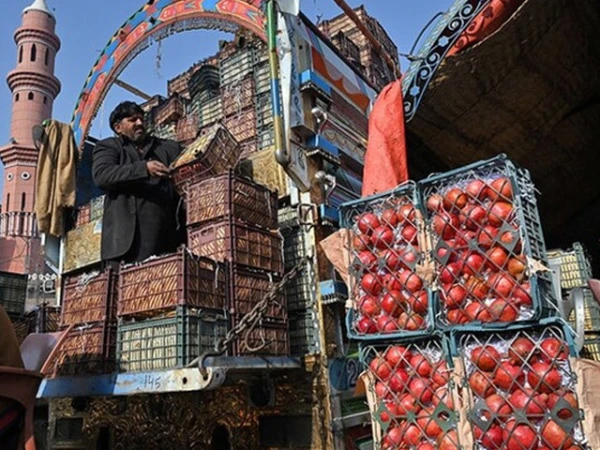
Islamabad: Pakistan has thwarted an attempt to import Afghan-origin fresh fruits through Iran—an effort aimed at bypassing the suspension of bilateral trade between Pakistan and Afghanistan. More than 5,500 Afghan transit containers remain stuck in Pakistan due to international border closures.
Despite increasing logistical hurdles for Afghanistan, the situation underscores Kabul’s continued dependency on Pakistan for trade access, even as it seeks alternative routes.


To support Central Asian states affected by the trade disruption, Pakistan has decided to allow Uzbekistan to airlift five cargo shipments and transport 29 containers via China. This decision is in accordance with an international convention signed by all regional countries. Sources said Uzbekistan will send urgent goods by air while the remaining cargo will be routed through China.
Afghanistan relies heavily on neighboring countries for access to seaports. The border shutdown has created severe problems for Afghan exporters—particularly farmers—who depend on selling fruits and vegetables in Pakistan and regional markets.
Perishable Afghan exports such as fresh fruits, vegetables, and dried nuts require short, low-cost routes. Longer routes not only increase transportation costs but also raise the risk of spoilage.
According to customs officials, the failed attempt to import Afghan fruits through Iran involved misuse of the Early Harvest Program. On November 8, an importer tried to bring in nearly 23 million tons of fresh fruits via Iran, submitting an application at Taftan Customs for duty concessions under the Early Harvest Program. The importer presented a plant protection permit, Afghan invoices, bill of lading, export documents, and a phytosanitary certificate.
Customs authorities ruled that the Early Harvest Program was designed to benefit farmers of both countries mutually; however, since no bilateral trade between Pakistan and Afghanistan is currently active, the shipment could not be permitted.
Sources said more than 5,500 Afghan-bound containers are currently stranded on roads or at Karachi port, with around 4,650 containers stuck at sea and land ports due to suspended clearances amid border congestion.
Although Pakistan has not suspended the Afghanistan Transit Trade Agreement, customs authorities have halted clearance processes to avoid border backlog. Analysts say alternative routes through Iran or Central Asia are not economically feasible for Afghanistan at present. Transporting goods through Iran’s Chabahar port or via Uzbekistan and Turkmenistan would be financially unviable in the short to medium term, increasing transportation costs by 30–50%.
The suspension of Afghan imports has had a limited effect on Pakistan’s inflation. According to the Pakistan Bureau of Statistics, weekly inflation fell by 0.6% as of November 6, with tomato prices dropping by 38%, onions by 5%, and garlic by 3.3%.