CJP Yahya Afridi: Judiciary Not Yet Ready for Artificial Intelligence Integration
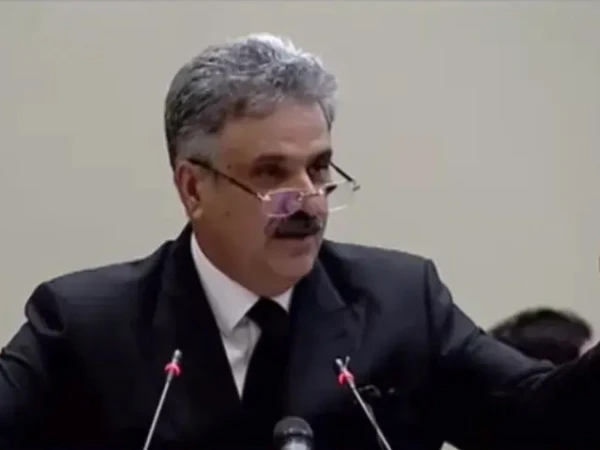
Islamabad: Chief Justice of Pakistan (CJP) Yahya Afridi has said that while artificial intelligence (AI) should be incorporated into the justice system, the judiciary is not yet fully prepared for its immediate use.
Speaking at the ceremony marking the start of the new judicial year at the Supreme Court, the Chief Justice highlighted the importance of reform and technological transformation. He noted that reforms had been initiated on five key foundations, including **digital case filing** and the launch of **e-services**.


Justice Afridi announced that **61,000 case files are being digitally scanned** under a project expected to be completed within six months. Once successful, the scheduling of cases will also be managed through AI. “The justice system needs AI, but we are not immediately ready for its application,” he stated.
At the event, the **Supreme Court Facilitation Centre** was inaugurated by a common litigant, symbolizing accessibility. The centre will become fully operational from **October 1**, offering litigants comprehensive information and support services.
The Chief Justice also shared several reforms, including revised rules for judges’ leave, reduction of his personal security convoy from nine vehicles to two, and free legal assistance for citizens unable to afford lawyers — from the magistrate level up to the Supreme Court.
Addressing judicial accountability, Afridi revealed that the **Supreme Judicial Council** has decided 64 complaints against judges, with 72 currently under review and 65 more pending. A council meeting will be held later this month to address the remaining cases.
He further disclosed that lawyers had filed **56,000 adjournment requests** during the past year, stressing that delays must be minimized. “We are willing to hold hearings even after midday, but adjournments will no longer be allowed,” he said.
Chief Justice Afridi reaffirmed the judiciary’s commitment to **rule of law, transparency, and timely justice**, stating that technology will play a pivotal role in making justice delivery more effective in the future.