Balochistan Assembly Expresses Concern Over Opium Cultivation and Rising Drug Abuse
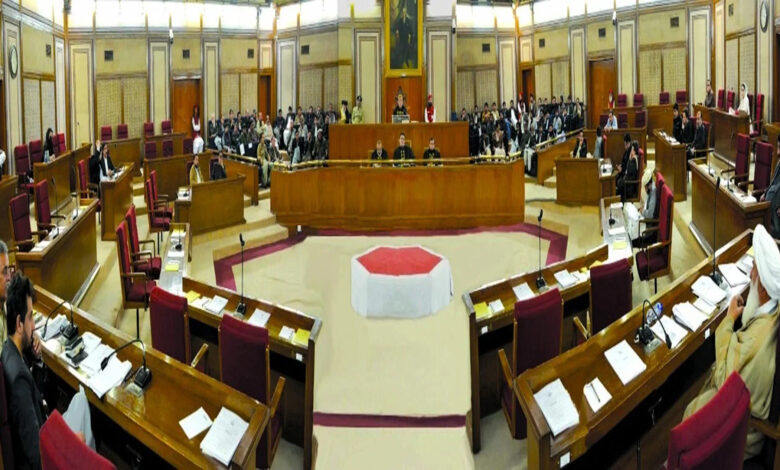
In a heated session of the Balochistan Assembly, members voiced serious concerns over the increasing cultivation of opium, the growing drug trade, and the devastating impact on the province’s youth. Assembly member Zabad Ali Reki presented a resolution condemning opium cultivation, calling it a “dangerous plague” that has ensnared not only the youth but also elders and children in the vicious cycle of drug addiction. The resolution stressed that this “poison” was eroding the fabric of society, with insufficient action from the government to address the issue.
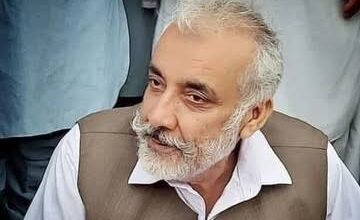
Zabad Ali Reki further stated that anyone found cultivating opium should be arrested, and the issue should be raised in the National Assembly as well. Ali Madad Jatak, another assembly member, requested that Zabad Ali Reki pinpoint the districts where opium cultivation is happening, promising to take action to eradicate it. Jatak also expressed concern that external forces were spreading drugs to destroy the youth of Balochistan.


The Speaker of the Balochistan Assembly warned that if the government did not take action, police officers from all districts would be summoned to the Assembly for answers. Dr. Malik Baloch criticized the government, saying it was asking the opposition to identify the problem when the authorities, including Deputy Commissioners, should already be aware. He stressed that it was the government’s responsibility to take serious and effective measures against this crisis.
Provincial Health Minister Bakht Muhammad Kakr stated that the government was actively working against opium cultivation, with ongoing operations in various districts. He assured that the government would not permit anyone to cultivate opium and mentioned that 3,000 drug addicts were being detained and treated.
Assembly member Barkat Rand complained that drug abuse and trafficking in Turbat were at their peak, noting that despite calling the DPO (District Police Officer) for five consecutive days, he was not responding. Rand highlighted that drugs were being sold openly in the city. Saliem Khoso remarked that opium cultivation had become a bigger challenge than terrorism in Balochistan, and it was essential to respond strongly to it.
Ashok Kumar described drugs as a “curse” for the province and called for the formation of a parliamentary committee to tackle the issue. He also raised concerns about the illegal sale of petrol in Hub city, where the DPO had failed to provide security. Ghazala Gola pointed out that opium cultivation was a collective issue, with drug abuse becoming widespread across Balochistan.
Agha Umar Ahmad Zai emphasized that Quetta was most affected by drugs, and despite the administration being aware, they remained silent. Asim Kard Gelo stated that drugs were being sold in every street and alley of Balochistan, with new and harmful drug variants entering the province, including in educational institutions. He warned that drug abuse was a form of “humanity’s destruction.”
The resolution concluded by stating that opium cultivation was continuing openly in many areas of the province, where the rule of law was virtually nonexistent. The allure of profit and criminal silence had brought the youth to the brink of destruction. It demanded immediate government action, including the banning of opium cultivation, destruction of the harvested crops, and legal action against those involved in this illegal activity.