PTI Leaders Criticize Economic Survey, Claim Growth Figures are Misleading
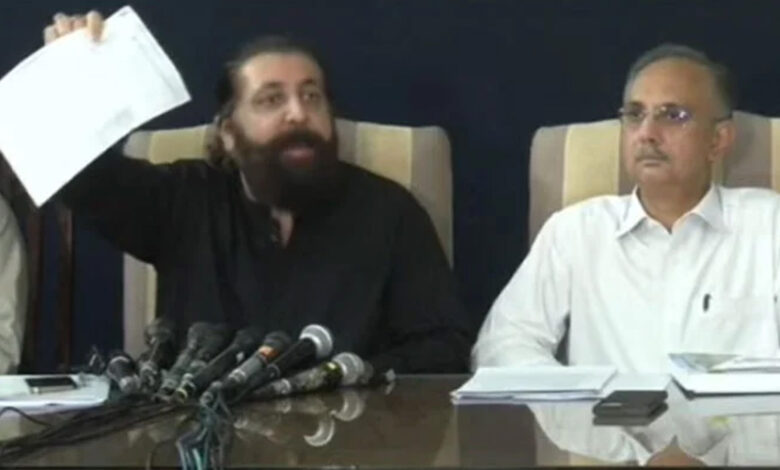
Pakistan Tehreek-e-Insaf (PTI) leaders have expressed strong disapproval of the government’s economic survey, with party spokesperson Sheikh Waqas Akram accusing the government of misrepresenting the country’s economic growth. In a press conference in Islamabad, Akram stated that three million people have fallen below the poverty line in the past three years, and that the reported growth is as fictitious as a “Form 47,” referencing a controversial election form in Pakistan.
Akram criticized the government’s policies, particularly towards agriculture, claiming that they were “farmer-unfriendly,” and suggested that those brought from the Netherlands to improve the economy appeared to have come “to extinguish the flame” rather than foster growth. He also pointed out that Pakistan’s GDP growth, which was previously recorded at 6.5% under PTI’s tenure, is now a meager 1.5% after three years under the current government.
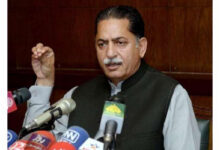
“Farmers are struggling with a 13.5% decline in agricultural growth. This is not the kind of growth we expect,” Akram remarked. He further stated that the government’s presentation of positive livestock growth in the agriculture sector was an attempt to inflate the figures, given the decline in large-scale manufacturing and the slowdown in the construction sector.
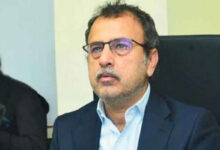
**Mubeen Arif Jutt**, another PTI leader, pointed out that the government had been showcasing positive growth in livestock to artificially increase agricultural growth. However, he noted that sectors like large-scale manufacturing and construction were in decline. He further questioned the claim of growth in the construction industry, citing low sales of cement, steel, and gravel despite reports of an upward trajectory in construction.
“What is the positive growth here? Everything in agriculture and industry is showing negative growth. The Minister of Finance claims to have controlled electricity theft; what about actual consumption?” asked Jutt.
In a sharp response, **Omar Ayub**, the opposition leader in the National Assembly, lambasted the finance minister, calling him a “decent man caught in the wrong company” and accusing the government of presenting inflated figures. Ayub criticized the government’s economic policies, comparing them to a deflated balloon, stating that the current growth rate of 1.7% was the lowest since 1992.
Referring to agricultural losses, Ayub noted that while the government claimed an increase in livestock, the actual situation was dire, with negative growth in all major crops. “The value of Rs 50,000 in March 2022 is now worth just Rs 20,833,” he added, highlighting the negative impact on the purchasing power of the people.
Ayub also provided data from the Pakistan Bureau of Statistics showing a significant increase in the prices of essential commodities like onions, tea, and other food items. “Onions were priced at Rs 22 per kilogram in 2022, now they are Rs 80. The price of tea has risen by 74%,” he pointed out. He also mentioned the exodus of 3.2 million people who left Pakistan in recent years due to the deteriorating economic situation.
He further stated that poverty has surged to 44.7%, with over 11.4 crore people now living below the poverty line. He also raised concerns over the expected revenue shortfall of over Rs 1,000 billion for the current fiscal year.
Criticizing the government’s handling of the petroleum sector, Ayub said, “Petrol prices are increasing despite a global drop in prices. In 2022, petrol was priced at \$117 per barrel, but now it’s only \$64 per barrel. The petroleum levy has increased from Rs 20 per litre to Rs 80 per litre.”
He also questioned the usage of funds, saying, “The Ministry of Planning has used only 20% of its allocated budget. Where has the rest of the money gone? Local MPs in constituencies are embarrassed to show their faces. Development funds for MPs have increased from Rs 25 billion to Rs 35 billion.”
As the opposition continues to criticize the economic policies, they are demanding accountability and transparency from the government, urging for a shift toward pro-growth and pro-agriculture policies to combat the country’s growing challenges.