One in Three Applications Rejected: Why Are Schengen Visas Becoming Harder to Obtain for Pakistanis?
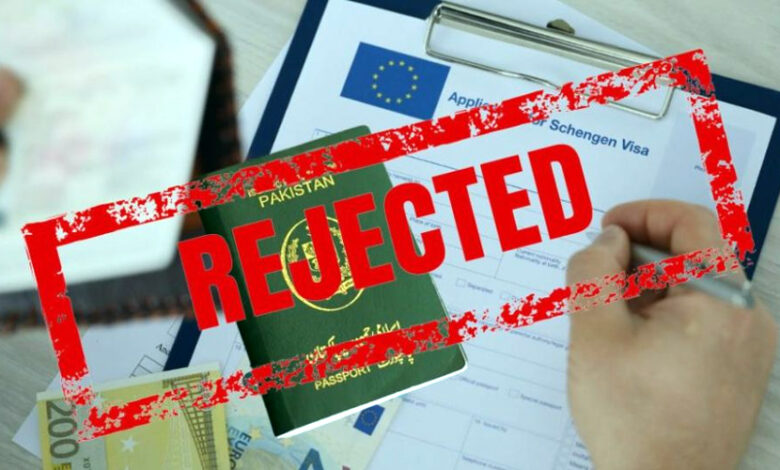
Islamabad: For Pakistanis aspiring to travel to Europe, obtaining a Schengen visa is becoming an increasingly challenging and complex process. According to a recent report by the European Commission, Schengen member states received over 11.7 million visa applications in 2024. Of these, approximately 14.8% were rejected.
The report highlights the countries with the highest visa rejection rates, raising serious concerns for potential travelers. Malta topped the list with the highest rejection rate, followed by Estonia, Belgium, Slovenia, Sweden, and Denmark — countries where, in some cases, one out of every three applications is turned down. Such high rejection rates are not only discouraging but also impose significant mental and financial pressure on applicants.
Major countries like France and Germany also reported a substantial number of visa refusals, although their rejection rates remained comparatively moderate. However, Germany has recently revised its policy, reinstating a stricter rule that bars rejected applicants from filing appeals or reapplying. This policy shift has led many travelers to look beyond Europe for tourism plans.
India has also suffered major financial losses due to Schengen visa rejections. In 2024 alone, 165,000 applications were rejected, resulting in a non-refundable loss of approximately 1.36 billion Indian rupees in visa fees. Nigeria faced the worst situation globally, with a rejection rate of 45.9%.
For Pakistani citizens — especially students, business professionals, and tourists — the tightening of Schengen visa policies is a critical issue. Given the rising rejection rates and evolving visa requirements, Pakistani travelers are urged to plan their journeys with extra caution and thorough preparation.
On a positive note, as of 2025, Pakistani passport holders can enjoy visa-free or visa-on-arrival access to more than 32 countries worldwide. These destinations offer a valuable alternative to those who wish to avoid the increasingly stringent and uncertain Schengen visa process.