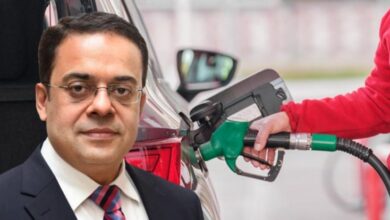
Government to Increase Petroleum Levy to Rs. 100 per Liter, Fuel Prices Set to Rise Further

In a bid to meet the record tax collection target for the fiscal year 2024-2025, the Pakistani government has decided to raise the petroleum levy to a historic high of Rs. 100 per liter. This decision, which has been made in accordance with the International Monetary Fund (IMF) agreement, is expected to further strain the pockets of the public as it will directly impact the price of petrol.
Currently, the petroleum levy stands at Rs. 78.02 per liter, and the new increase will bring this to Rs. 100 per liter, making it one of the highest taxes on petroleum products in the country’s history.


The petroleum levy was first introduced in October 2021, when the government imposed a nominal levy of Rs. 4 per liter. Since then, the government has gradually increased the levy as part of its revenue-generating measures. In the fiscal year 2023-2024, the government collected Rs. 1,019 billion from the petroleum levy alone, a significant increase from Rs. 580 billion in fiscal year 2022-2023.
For the fiscal year 2025-2026, the government has set an ambitious target of Rs. 1,311 billion from petroleum levies, with Rs. 1,117 billion targeted for the current fiscal year. This indicates that petrol prices are likely to rise even further, and if global oil prices continue to surge, the price of petrol in Pakistan could exceed Rs. 300 per liter.
As of now, in the first nine months of the current fiscal year (July 2024 to March 2025), the government has already collected Rs. 834 billion through the petroleum levy, highlighting the significant contribution of this tax to the national revenue.
The decision to increase the petroleum levy has sparked criticism from various quarters, with many questioning the government’s approach to solving the country’s economic challenges. However, with Pakistan grappling with a financial crisis, the government sees these measures as necessary to meet its obligations and maintain financial stability.
Consumers will feel the impact of this policy as fuel prices are expected to climb even higher, adding to the burden on an already struggling population.