Pakistan’s Economic Recovery: A ‘Miracle’ Amidst Regional Tensions, But Challenges Remain

Amid escalating tensions with India, Pakistan appears to be experiencing a remarkable economic turnaround, with both local and international agencies highlighting a series of positive developments. International financial institutions have lauded Pakistan’s economic performance, with some calling it a “mega macroeconomic miracle.” This revival has been largely attributed to agreements with the International Monetary Fund (IMF) and financial assistance from global allies, enabling Pakistan to stabilize its economy and tackle inflation.
Key achievements include:

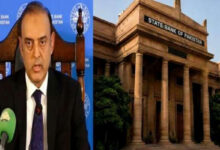
* **Inflation Control:** Pakistan has managed to bring inflation under control, reducing the rate of increase to just 0.5%, which has allowed the central bank to lower interest rates significantly. The current policy rate stands at 11%, down from 22%.
* **Currency Stabilization:** The Pakistani rupee has seen stabilization, helping to reduce the cost of imports.
* **Stock Market Growth:** The Karachi Stock Exchange (KSE-100 index) has experienced a dramatic 3-fold increase, signaling investor confidence.
* **Improved Bond Values:** Pakistan’s Euro bonds have also shown significant improvement in value.
However, despite these positive strides, experts caution that Pakistan’s economy remains vulnerable to external shocks, and its economic base is still narrow compared to neighboring countries. The country’s economic recovery is heavily reliant on a few key sectors, making it susceptible to fluctuations in global markets.
### Expert Analysis:
**Hamza Gilani, Senior Journalist**, poses the critical question: “Why is the economic recovery happening now?” He points to a series of key changes that have contributed to the shift in momentum:
* **Interest Rate Reductions:** Interest rates have decreased from 22% to 11%, offering businesses the opportunity to access cheaper capital. This is expected to stimulate investment in sectors such as real estate, automobiles, and other small businesses.
* **Industries Recovering:** Pakistan’s major industries, such as textiles, cement, and pharmaceuticals, are showing signs of improvement, particularly due to reduced energy prices. Gilani believes that as large industries recover, smaller industries will follow suit.
* **Increasing Remittances & Stock Market Growth:** Gilani emphasizes the rise in remittances and stock market performance. In just four days, the stock market surged by 15,000 points, and foreign investors are now shifting their focus from India to Pakistan due to the country’s undervalued market.
Gilani is optimistic about future investments, particularly in sectors like oil and gas, where 10 companies have already secured exploration licenses. Additionally, he points out that Pakistan’s mining sector is gaining traction, and many investors are now choosing stocks and real estate as a hedge against rising gold prices.
### **Tariq Malik, Senior Journalist**, offers a more cautious perspective:
While acknowledging improvements in certain economic indicators like remittances, currency value, and stock market growth, Malik stresses that the positive changes have yet to significantly impact the average Pakistani citizen. He notes that:
* **Inflation remains high:** While inflation has slowed, the cost of living continues to rise, and the common man is not feeling the benefits.
* **Industrial Slowdown:** Despite the recovery of some key industries, the overall industrial growth remains subdued due to a shortage of raw materials, which are largely imported. Furthermore, Pakistan’s agricultural sector is still struggling, contributing to a stagnation in overall economic growth.
* **Tax Base Issues:** Malik highlights that Pakistan’s tax base remains limited, with only a few sectors contributing significantly. He foresees a potential rise in taxes in the upcoming national budget as the government seeks to address fiscal deficits.
### **Conclusion:**
While Pakistan’s economy is showing signs of recovery, experts agree that this revival is fragile and may not yet translate into tangible benefits for the average citizen. The country faces persistent challenges, including inflation, industrial stagnation, and a narrow economic base. In the coming months, the government will need to strike a balance between further stabilizing the economy and addressing the needs of ordinary people, particularly as tax reforms and external shocks loom on the horizon.