Pakistan Budget 2025–26: Mixed Hopes for Auto Sector Amidst IMF Pressure and Public Expectations
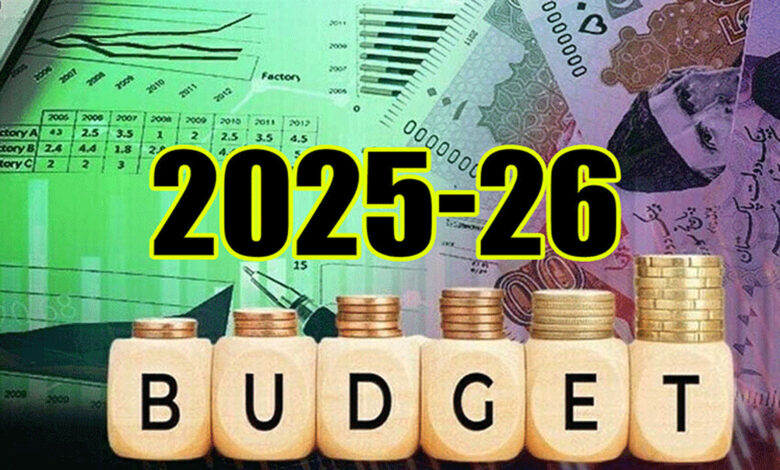
With the **federal budget for fiscal year 2025–26** expected to be presented on **June 10**, the spotlight is firmly on **what will get costlier and where relief might come**—especially for Pakistan’s struggling middle class. Among the most anticipated sectors is the **automobile industry**, with consumers eager to know whether **cars and motorcycles will become more affordable or even more expensive**.
### Possible Relief for Imported Used Vehicles
**Chairman of the All Pakistan Motor Dealers Association (APMDA)**, **H.M. Shehzad Akbar**, suggests that **a slight relief appears likely** for the auto sector due to **pressure from the International Monetary Fund (IMF)**. Notably, the IMF has recommended that Pakistan **lift the five-year ban on commercial import of used vehicles** and **reduce various duties and taxes**.
If the ban is lifted, **5-year-old Japanese cars** could become significantly cheaper. This could provide much-needed options for middle-income families who have found car ownership increasingly unaffordable in recent years.
> “When low-cost vehicles enter the market, the public benefits, and with increased imports, the government earns more from duties and taxes,” said Shehzad Akbar.
He further explained that **reducing regulatory duty, sales tax, and federal excise duty**, as advised by the IMF, could **positively impact the auto industry**, which is currently fighting for survival.
### No Relief for Local Car Buyers?
On the flip side, **PakWheels founder Sunil Manj** offered a less optimistic view for ordinary consumers. According to him, the budget is unlikely to offer any **real relief for locally manufactured cars and motorcycles**.
> “There may be some reduction in regulatory duty on imported luxury vehicles like Land Cruiser, Prado, Mercedes, and BMW—but that benefits only the rich,” said Manj.
He also warned of a **Rs. 100 fixed petroleum levy per litre** and the introduction of a **carbon tax**, both of which would **increase the cost of vehicle ownership for everyday Pakistanis**.
### Industry Challenges and Structural Issues
**Shaukat Qureshi**, a former member of the **Pakistan Automotive Manufacturers Association (PAMA)**, emphasized that **only 30% of car models are truly locally manufactured**—most are dependent on imported parts, making prices volatile and vulnerable to currency fluctuations.
He also criticized the lack of interest from companies like **Toyota** in promoting **electric vehicles (EVs)** in Pakistan, blaming the dominance of the **petrol lobby** for stalling EV progress. Unlike countries that have announced aggressive shifts to EVs by 2030, Pakistan has made **no decisive move** in this direction.
—
### What to Expect on June 10?
* **Used imported vehicles** may get **cheaper** if commercial import restrictions are relaxed.
* **Luxury imported cars** could see **minor price drops** due to reduced regulatory duties.
* **No significant relief expected** for **locally produced cars and motorcycles**.
* **Fuel prices** may increase due to **higher petroleum levies** and **carbon tax**.
* EV adoption remains **uncertain**, with no major policy shift in sight.
With the public anxiously awaiting clarity, all eyes are on the government’s announcements on **June 10** or in **pre-budget briefings**. Whether the budget brings **relief or further burden**, especially in the auto sector, will reveal the **government’s priorities** amid economic pressure and IMF conditionalities.


