India Suspends Indus Waters Treaty and Closes Attari Check Post Amid Rising Tensions
Islamabad:In a sharp escalation of diplomatic tensions, India has announced the suspension of the historic Indus Waters Treaty with Pakistan and the closure of the Attari border post, following the tragic shooting incident in Pahalgam, Jammu and Kashmir, that resulted in the deaths of 26 people. The decision was made during a cabinet meeting chaired by Indian Prime Minister Narendra Modi on Tuesday.
The Indian Ministry of External Affairs further revealed that all Pakistani visas, including those issued under the SAARC exemption scheme, have been canceled. Pakistani nationals currently in India have been given 48 hours to leave the country. The Indian government also decided to reduce the staff of the Pakistani High Commission in New Delhi, cutting the number of diplomatic personnel from 55 to 30 by May 1.


**Indus Waters Treaty: A Historic Agreement**
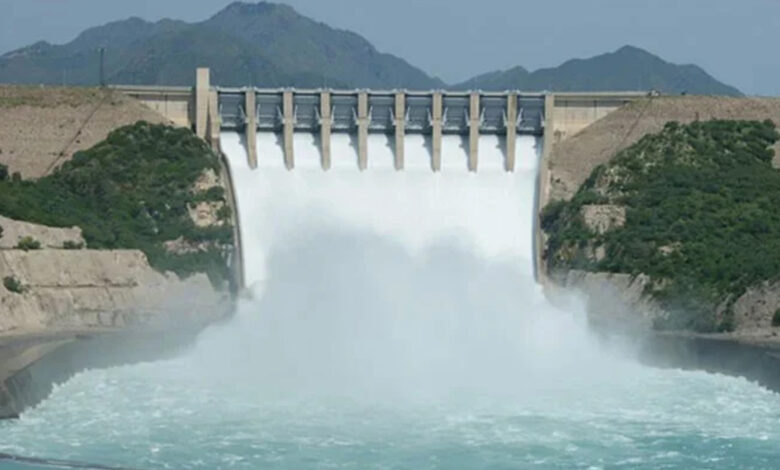
The **Indus Waters Treaty (1960)** is a key agreement between Pakistan and India, brokered by the World Bank. It was designed to resolve water-sharing disputes over the Indus River and its tributaries to prevent conflict over water resources. The treaty has been vital for Pakistan, an agricultural nation heavily reliant on water from these rivers for irrigation and crop production.
Under the treaty, the waters of the Indus River Basin are shared between the two countries. Pakistan has rights to the three western rivers (Indus, Jhelum, and Chenab), which make up 80% of the total water flow, while India controls the three eastern rivers (Ravi, Beas, and Sutlej). India was also allowed limited use of the western rivers for hydroelectric power generation and irrigation but has repeatedly violated this agreement in recent years.
Despite these challenges, the treaty remains a cornerstone of Pakistan-India relations, and India’s recent actions have sparked concerns over its long-term viability.
**Can India Unilaterally End the Indus Waters Treaty?**
The **Ministry of Water Resources** in Pakistan has made it clear that the Indus Waters Treaty is an international agreement, and India cannot unilaterally terminate it. The treaty, which was negotiated under the auspices of the World Bank, can only be modified or dissolved with the mutual consent of both parties.
**National Security Committee to Address Indian Actions**
In response to India’s actions, Pakistan has called for an emergency meeting of the **National Security Committee (NSC)**. The meeting, chaired by Prime Minister Shehbaz Sharif, will assess India’s aggressive moves and determine an appropriate response.
Defense Minister Khawaja Asif, speaking to the media, emphasized that the NSC would discuss India’s decision to suspend the Indus Waters Treaty, clarifying that India cannot take such actions unilaterally. “The treaty involves not only Pakistan and India but also international stakeholders,” he said. He also reaffirmed Pakistan’s resolve to respond decisively to any further provocations from India.
Khawaja Asif further remarked that the Indian government should focus on addressing its own internal issues, particularly the ongoing violence and unrest in Kashmir, rather than pointing fingers at Pakistan. He added that there are concerns that the Pahalgam attack could be part of a “false flag” operation orchestrated by India.
**Pahalgam Attack: A Growing Regional Crisis**
The shooting incident in **Pahalgam**, a popular tourist destination in Jammu and Kashmir, took place on Tuesday, when unidentified gunmen opened fire on a group of tourists. The attack resulted in 26 fatalities, including two foreign nationals from Italy and Israel, and 12 others were injured. Among the deceased was an officer of the Indian Navy.
The incident has prompted severe condemnation, both domestically and internationally, and has significantly strained the already tense India-Pakistan relations. The closure of the Attari border post and the suspension of the Indus Waters Treaty are seen as direct consequences of the rising tensions.
Pakistan has vowed to take appropriate steps in response to India’s provocative actions, and the situation remains fluid as diplomatic and military leaders assess the next course of action.