INCB Warns of Rising Synthetic Drug Trade and Health Risks Globally
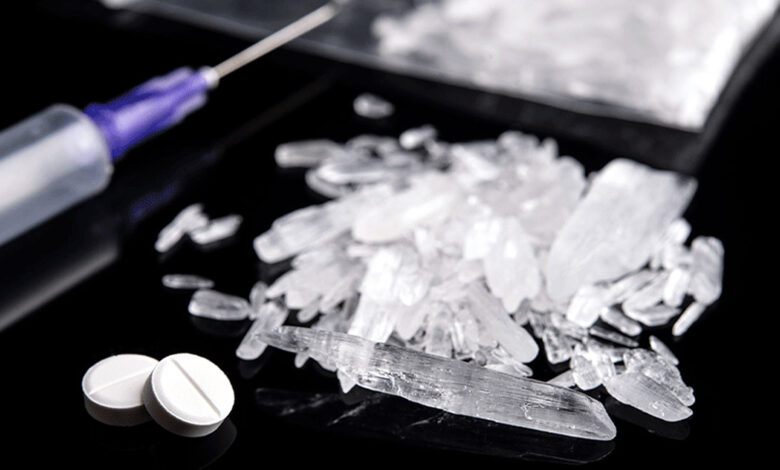
The International Narcotics Control Board (INCB) has reported a rapid increase in the global trade of synthetic drugs, which poses growing risks to public health. According to the INCB’s annual report (2024), synthetic drugs, which can be produced anywhere without the need for large-scale crops like poppy plants, are becoming more prevalent than plant-based narcotics. This shift has made the production and sale of these substances easier and more cost-effective.
**Increase in Deaths Due to Synthetic Drugs**


INCB President Jalal Tawfiq stated that even small amounts of drugs like fentanyl can produce intense effects, leading to a significant rise in demand and a corresponding medical crisis. As a result, deaths related to these substances have surged dramatically.
**Smuggling Methods Evolving**
The report also highlighted that criminal groups are continuously adapting their smuggling tactics, including using drones and postal services, which are harder to detect. Consequently, it has become increasingly difficult to seize synthetic drugs compared to plant-based heroin and cocaine.
**Smugglers’ Advantage Over Law Enforcement**
Despite many efforts to curb the trafficking of synthetic drugs, law enforcement agencies remain at a disadvantage due to fragmented efforts. The INCB has called for stronger international cooperation between governments, private companies, and international bodies to dismantle the drug supply chain.
**Access to Medical Drugs Limited in Low-Income Regions**
While synthetic drugs are commonly available illegally, millions of people in low- and middle-income countries still lack access to essential pain-relief medications. The report notes that opiate-based painkillers like morphine are unavailable in regions such as Africa, South Asia, and Central America, not due to scarcity but due to distribution and regulatory barriers.
**Synthetic Drugs Increasing in High-Risk Areas**
The INCB has urged opium-producing countries to increase production and reduce prices for medical and pain-relief purposes. The report highlighted several regions where synthetic drug trafficking is on the rise, particularly in Europe, North America, the Middle East, and Africa. Efforts to address the crisis in North America have failed to curb the record-high deaths caused by synthetic drugs.
**Rising Concern in the Asia-Pacific Region**
In the Asia-Pacific region, there has been a steady increase in the production and sale of methamphetamine and ketamine, with Southeast Asia, particularly the Golden Triangle, being a major hotspot.
**Urgent Need for International Cooperation**
The INCB has urged governments to enhance international collaboration, improve information-sharing, and expand services for drug prevention and treatment. Without decisive action, the trade of synthetic drugs will continue to thrive, posing an ever-growing threat to global health.