Decline in Pakistan’s Rice Exports Due to Fumigation Monopoly and Poor Pesticides: Parliamentary Committee
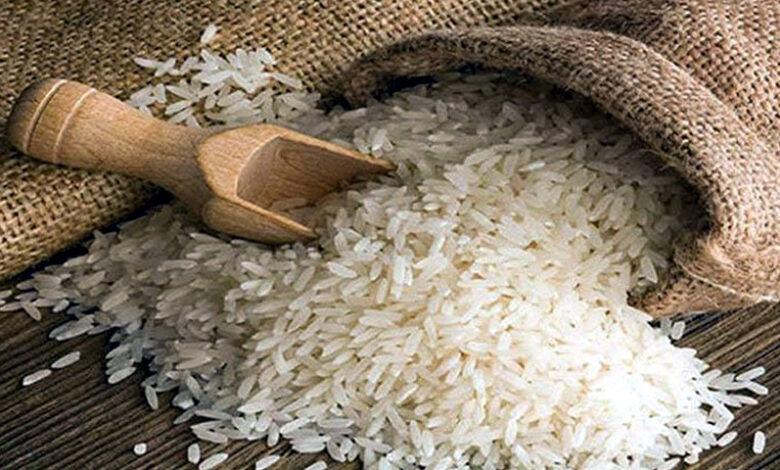
Islamabad: A recent meeting of the National Assembly’s Standing Committee on Commerce revealed that Pakistan’s rice exports have declined by 15%, with key factors being the monopoly of fumigation companies and the use of substandard pesticides.
The meeting, chaired by Mohammad Javed Hanif Khan, was briefed by leaders of the Rice Exporters Association of Pakistan (REAP), who shared that Pakistan is currently exporting rice worth $6 billion annually. However, the industry is facing significant challenges due to the ongoing issues.


The committee decided to take action by extending fumigation licenses to 57 companies, instead of limiting it to just four, in a bid to eliminate monopolistic practices. Committee member Sharmila Farooqi revealed that the four major fumigation companies are operating from a single address, which is causing difficulties for exporters.
Details regarding objections raised by the European Union (EU) on Pakistani rice consignments were also presented. Committee member Mirza Ikhtiar Baig emphasized that the presence of harmful substances in Pakistani rice is not due to the farmers but rather the shortcomings of the institutions producing substandard pesticides.
Officials from the Ministry of Food Security clarified that the EU had raised concerns about Pakistani rice only twice, and currently, some issues are arising from African markets.
Additionally, the committee was informed that the Federal Investigation Agency (FIA) had raided the homes of some rice exporters. The committee expressed concern over these actions and demanded an investigation into the matter.
REAP leaders urged that Pakistan be provided better rice export opportunities similar to India, Vietnam, and Thailand in order to maintain competitiveness in the global market.
Chairman Javed Hanif Khan instructed that immediate reforms be implemented to address the issues faced by rice farmers and exporters, assuring that effective steps would be taken in this regard.