Food Prices Rise Ahead of Ramadan: Key Commodities See Price Fluctuations
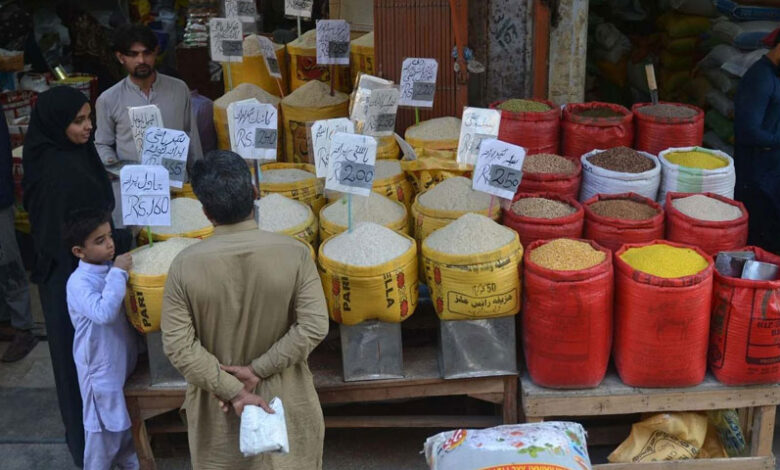
As the holy month of Ramadan approaches, food prices across Pakistan have shown noticeable fluctuations. While the overall inflation rate has slightly decreased, the prices of some essential food items have either remained stable or increased, continuing the trend that has become customary before Ramadan.
According to reports from V News, the price changes of key food items have been significant. Here is a look at the price variations for some staple foods:


**Eggs and Chicken Prices**
The price of eggs has increased by Rs. 20 per dozen over the past week. On February 13, the price of a dozen eggs was Rs. 251, but it has now reached Rs. 271. Similarly, the price of live broiler chicken has risen from Rs. 420 per kg in January to Rs. 462 per kg now. Last December, the price of live broiler chicken was recorded at Rs. 320 per kg.
**Cooking Oil and Ghee**
Cooking oil and ghee prices have also surged. In January, the price of cooking oil and ghee was around Rs. 550 per kg, which rose to Rs. 600 by early February. Additionally, the price of Dalda ghee has increased by Rs. 60 per kg. As Ramadan nears, there has been an additional Rs. 100 increase in the price of 12-liter cartons of ghee and oil, while the price of a single pack of Dalda ghee has gone up by Rs. 20.
**Sugar, Lentils, and Besan**
Sugar prices saw a significant increase in January, with the price per kg rising by Rs. 30 from Rs. 130 to Rs. 163. Although lentil prices saw a rise in December of up to Rs. 100 per kg, they remained stable during January, with a reduction of Rs. 20 per kg. However, during the current month, the prices of lentils have remained unchanged. The price of good-quality besan (chickpea flour) remains high, with the price per kg staying at Rs. 340.
**Flour and Rice**
The price of a 20 kg bag of flour was Rs. 1750 in January, which dropped slightly to Rs. 1700 at the beginning of February. However, the price has risen by Rs. 30 recently, bringing the cost of a 20 kg flour bag to Rs. 1730. As for rice, its price increased from Rs. 280 per kg to Rs. 370 per kg in February, marking a rise of Rs. 90 over the last month. Presently, rice prices remain stable.
**Potatoes, Onions, and Tomatoes**
The price of potatoes in January was Rs. 65 per kg but dropped to Rs. 55 per kg at the beginning of February. However, prices have further reduced, and currently, potatoes are being sold at Rs. 45 to Rs. 50 per kg. Onions, which were priced at Rs. 115 per kg in January, dropped to Rs. 85 per kg in early February. They are now being sold for Rs. 63 to Rs. 67 per kg. Tomatoes, previously at Rs. 200 per kg, saw a decline to Rs. 80 per kg at the beginning of February and are now priced at Rs. 36 to Rs. 40 per kg.
**Fruit Prices**
In Islamabad’s fruit market, the price of bananas was Rs. 140 per dozen in January but has now surged to Rs. 220 to Rs. 243 per dozen. Apples, which were Rs. 290 per kg at the beginning of February, have decreased to Rs. 145 to Rs. 155 per kg. Pomegranate prices have risen from Rs. 385 per kg to Rs. 400, while oranges, which were priced between Rs. 260 and Rs. 280 per dozen at the beginning of the year, are now being sold for Rs. 370 to Rs. 385 per dozen.
As Ramadan approaches, these price fluctuations are expected to continue, and consumers are urged to plan their purchases accordingly.