Experts Warn Smartwatch Health Data Can Influence Behavior and Increase Anxiety
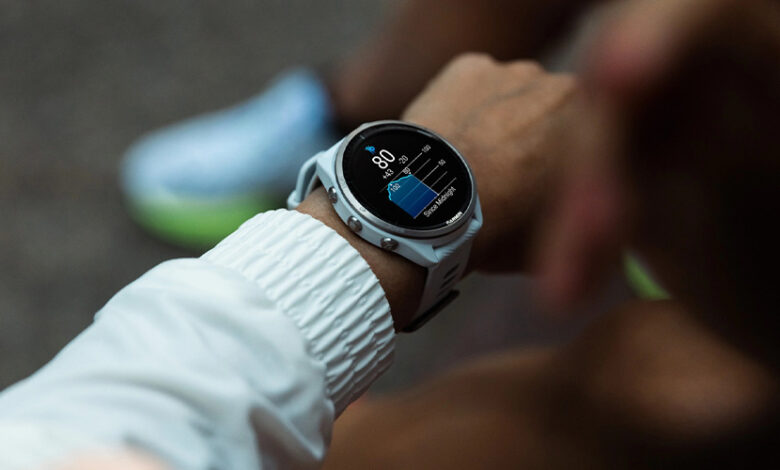
Islamabad: Health experts have cautioned that while smartwatches have become valuable tools for monitoring health, excessive reliance on their data may lead to unnecessary anxiety and influence people’s daily behavior.
Modern smartwatches can track sleep, heart rate, stress levels, physical activity, and recovery scores. However, experts say these figures should be used as guidance rather than treated as definitive measures of a person’s health.


Nergiza Neumann Zander, founder of X Technology, said health data is beneficial when it helps people make informed decisions. However, problems arise when numerical scores begin to dictate a person’s emotions and daily routine.
She explained that a warning sign is when someone checks their smartwatch data before paying attention to how they actually feel upon waking up. Over time, the device can become an external authority determining how healthy a person believes they are.
According to experts, individuals who are naturally anxious, perfectionists, or prefer complete control over their routines are more likely to be affected by smartwatch scores. A poor sleep or recovery score may make them believe something is seriously wrong even when no medical issue exists.
Experts also noted that constantly monitoring health data can cause people to misinterpret normal physical changes. Temporary fatigue, slight variations in heart rate, or occasional poor sleep are common, but smartwatch notifications labeling them as “high stress” or “poor recovery” may lead users to perceive themselves as unwell.
A low recovery score can also influence daily decisions, causing some people to skip exercise, postpone important tasks, or assume they will perform poorly despite being physically capable.
Dr. John Nicholas Strickling, Consultant Cardiologist at MedCare Al Safa, acknowledged that smartwatches have increased public awareness about personal health but stressed that they should not be considered a substitute for professional medical diagnosis.
He said wearable devices can provide useful information about heart rate, physical activity, sleep, and possible health concerns, but a single reading without proper medical context can be misleading.
Experts added that movement, poor sensor contact, dehydration, mental stress, caffeine consumption, and environmental conditions can all affect smartwatch readings.
Dr. Strickling emphasized that while smartwatches can alert users to potential issues, a proper diagnosis requires a doctor’s examination, medical history, and appropriate clinical tests.
Medical professionals recommend focusing on long-term health trends rather than daily fluctuations. For healthy individuals, monitoring exercise habits, sleep patterns, and lifestyle changes is more beneficial, while patients with conditions such as hypertension, diabetes, or heart disease should use wearable health data under medical supervision.
Experts concluded that good health should be measured by overall physical and mental well-being rather than striving for perfect numbers on a smartwatch.