Rising Iran-US Tensions Push Global Oil Prices Higher, Fuel Price Hike Feared in Pakistan
ISLAMABAD: Escalating tensions between Iran and the United States have driven a sharp rise in global crude oil prices, raising concerns that petroleum prices in Pakistan could also increase if the upward trend continues.
According to Reuters, growing geopolitical uncertainty and recent military developments in the Middle East pushed Brent crude up by more than 3 percent, taking it above $79 per barrel. West Texas Intermediate (WTI) crude also gained more than 3 percent, climbing above $74 per barrel, while the UAE’s Murban crude rose by over 5 percent to exceed $74 per barrel.
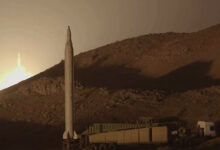

Analysts said fears surrounding the security of the Strait of Hormuz and the worsening standoff between Iran and the United States have increased uncertainty in global energy markets, leading to higher oil prices.
The increase in international crude prices could have a direct impact on Pakistan’s domestic fuel market, as petroleum prices in the country are closely linked to global oil trends. Continued increases in the international market may result in higher petrol and diesel prices in Pakistan.
The latest surge comes amid reports of U.S. military strikes in Iran that allegedly left three people dead and more than ten others injured.
Meanwhile, U.S. President Donald Trump announced the restoration of a naval blockade targeting Iranian vessels, stating that Iranian ships would be stopped while commercial and cargo vessels from other countries would continue to have access to the Strait of Hormuz.
In a post on the social media platform Truth Social, Trump said the Strait of Hormuz would remain open “with or without Iran” and that the United States would ensure the security of maritime navigation in the region. He also announced a 20 percent transit fee on all cargo passing through the strategic waterway, saying the measure is intended to safeguard shipping routes and maintain the flow of global trade.
Iran’s military leadership rejected the announcement, declaring that Tehran would not allow the United States to interfere in the management of the Strait of Hormuz. Iranian officials warned that any attempt by U.S. forces to operate in the strait without Iran’s consent would be challenged and cautioned that cooperation with the United States by regional countries would be regarded as an act of war against Iran, potentially expanding the conflict across the region.