Questions Raised Over Crime Scene Investigation in Lahore Case Involving Foreign Women
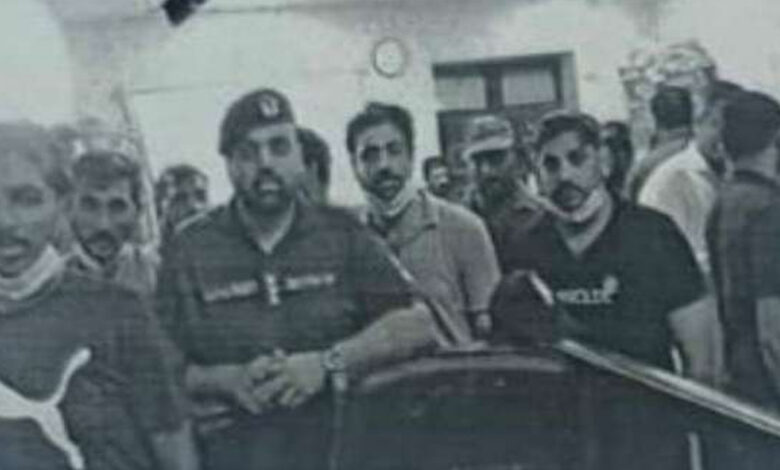
Lahore:Questions have emerged over the handling of forensic evidence in the high-profile Lahore case involving two foreign women, after reports claimed that investigators did not conduct an immediate forensic examination of the alleged crime scene.
Speaking on a television program, journalist **Naeem Ashraf Butt** alleged that the crime scene was not examined by forensic experts until several days after the incident. He said standard operating procedures (SOPs) generally require investigators to secure and process the crime scene immediately, as physical evidence collected there can play a crucial role in criminal investigations.


Butt also claimed there were differences between the police’s First Information Report (FIR) and the statements recorded by the complainants under Section 164 of the Criminal Procedure Code. According to him, police stated that the women were rescued by officers, while the complainants reportedly said they escaped by jumping from a vehicle, sought refuge in a nearby shop, and were later assisted after a traffic warden contacted the police.
He further questioned why the forensic team reportedly visited the alleged crime scene only on the fourth day after the incident, suggesting that potential evidence could have been affected during the delay.
Meanwhile, Lahore Police confirmed the arrest of four suspects named in the FIR, including an individual referred to as the alleged **”Boss.”** Authorities said the suspects’ mobile phones have been sent for forensic examination, while DNA samples from both the accused and the complainants have also been forwarded to a forensic laboratory for analysis.
According to police, a medical examination found evidence consistent with the alleged sexual assault of one of the complainants. Investigators further stated that three of the arrested suspects are accused of sexually assaulting the woman. The investigation remains ongoing, and all suspects are presumed innocent unless proven guilty in a court of law.