Karachi Proposes First Underground Metro System to Tackle Traffic Crisis
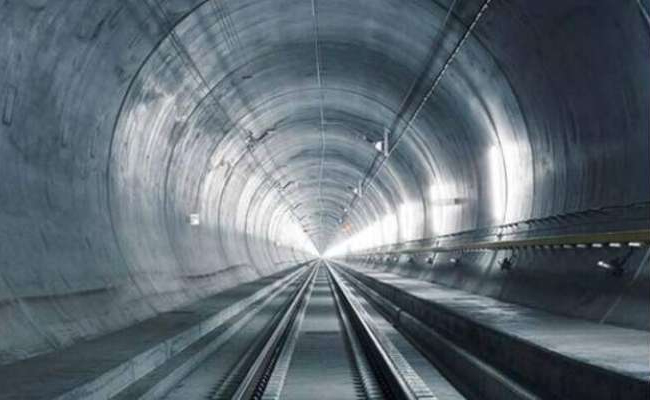
Karachi: Pakistan’s largest city and commercial hub, Karachi, has taken a significant step toward addressing its worsening traffic congestion and public transport shortages with a proposal to develop its first underground metro rail system.
The proposal was presented by the Pakistan Academy of Engineering during its 40th seminar, titled “The Importance of Underground Mobility in Major Megacities.” Transport and engineering experts from Pakistan, China, and the United States participated in the event and emphasized that an underground mass transit network offers the most sustainable long-term solution to Karachi’s growing transportation challenges.

Pakistan Academy of Engineering President Prof. Brig. (Retd.) Dr. Naseem Akhtar Khan proposed two underground railway corridors for the city. The first corridor would connect Numaish Chowrangi to Merewether Tower, while the second would link FTC on Shahrah-e-Faisal with I.I. Chundrigar Road and Tower.
Speaking at the seminar, Dr. Khan said Karachi must now move toward underground mass transit, adding that the project could become a milestone for Pakistan’s engineering sector, as infrastructure of this scale has not previously been designed locally. He also cited successful underground metro systems in Singapore, New York, Washington, Delhi, and Dhaka as examples for Karachi to follow.
Experts clarified that the proposed underground metro would complement rather than replace Karachi’s existing Bus Rapid Transit (BRT) system, including the Green and Orange Lines. The integrated transport network would significantly increase passenger capacity, improve connectivity between commercial and residential areas, reduce travel times, ease traffic congestion, and help lower air pollution.
Karachi, with an estimated population of 21.8 million, is currently facing one of the country’s most severe transportation crises. Although around 42 percent of commuters rely on buses, buses account for only about five percent of the city’s total vehicles. Experts estimate that Karachi requires at least 10,000 additional buses to meet current demand. At present, only about 100 buses operate on the Green and Orange Line corridors, while the People’s Bus Service runs 339 buses, a fleet considered insufficient for a city of Karachi’s size.
The proposal has also received strong support from academia. Sir Syed University of Engineering and Technology Vice Chancellor Dr. Afzal Haq and DHA Suffa University Dean Dr. Ahmed Hussain announced plans to assign research projects to engineering students focusing on underground station design, tunnel alignment, and supporting infrastructure, aiming to contribute to the development of the proposed metro network.