Karachi Study Finds Outdoor Workers Face Dangerous Heat Exposure as Temperatures Rise
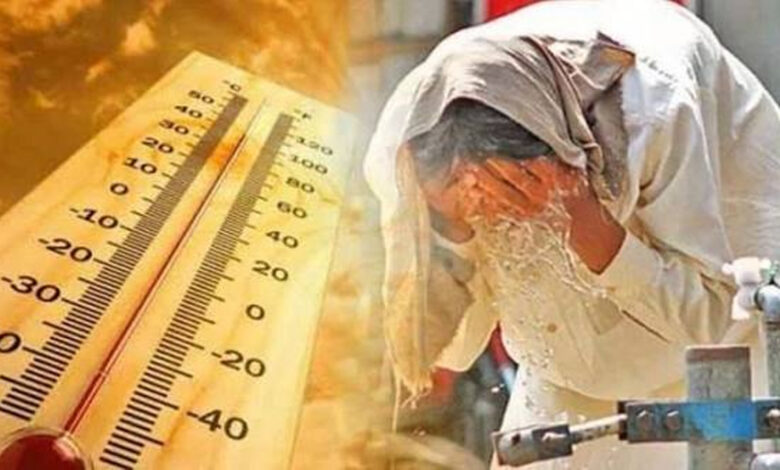
KARACHI: A new study has revealed that people working outdoors in Karachi experience body temperatures up to 5.5 degrees Celsius higher than ordinary citizens, exposing them to potentially life-threatening health risks.
The research was presented by Dr. Zafar Fatmi, Head of the Climate, Environmental and Occupational Health Department at a private hospital and university. The study included delivery riders, street vendors, rickshaw drivers, and motorcycle riders who spend long hours working under direct sunlight.


Speaking exclusively to Geo Digital, Dr. Fatmi said prolonged exposure to extreme heat significantly increases the risk of heatstroke, heart attacks, and damage to vital organs, which can even result in death.
“We found during the research that motorcycle riders, cart pushers, and delivery workers who spend the entire day in the sun have body temperatures that are 5.5 degrees Celsius higher than those of the average person,” he said. “The sun’s intense heat is affecting these workers the most.”
Dr. Fatmi explained that excessive sweating caused by prolonged physical activity in high temperatures can lead to severe health complications, including heart attacks, respiratory illnesses, and lung failure.
He warned that individuals already suffering from high blood pressure, heart disease, or lung conditions are particularly vulnerable to extreme heat and may face fatal consequences. He emphasized the need for mandatory work breaks of 15 to 20 minutes and the establishment of roadside cooling stations where laborers can rest, drink water, and lower their body temperatures before returning to work.
The researcher also highlighted the growing impact of the Urban Heat Island effect in several areas of Karachi. According to Dr. Fatmi, widespread use of concrete, air pollution, and dense clusters of high-rise buildings are contributing to higher temperatures in urban neighborhoods.
“Climate change, combined with these factors, creates the Urban Heat Island effect, where some parts of the city become significantly hotter than others,” he said. “Karachi Central is particularly affected because of its dense construction, which traps heat and raises local temperatures.”
He noted that temperatures differ noticeably between heavily built-up areas and greener locations such as Gadap, where vegetation helps absorb heat. Similarly, streets lined with trees remain cooler than those dominated by concrete surfaces.
Discussing possible solutions, Dr. Fatmi said Karachi’s master plan has largely failed but stressed that future urban development policies should focus on maintaining adequate spacing between buildings, preserving water channels, increasing green spaces, and installing shaded areas for outdoor workers. Ensuring access to drinking water is also essential, he added.
“Unfortunately, we have not protected our trees,” he said. “Many trees along University Road have been cut down and not adequately replaced. If unchecked construction continues, Karachi will not only expand but also become increasingly hotter.”
The effects of rising temperatures are also being felt by small business owners. Anwar Ali, a street vendor who sells birds from a roadside cart, said extreme heat has caused significant losses to his livelihood.
He told Geo Digital that he works from 11 a.m. to 7 p.m. daily and recently lost four birds in a single day due to the scorching weather.
“When the temperature rises, the birds die and even their eyesight is affected,” he said. “A water tap is located far away, so my son keeps bringing bottles of water. I spray water on the birds throughout the day, but despite my efforts, I have already lost four birds. It is a huge financial loss.”
Anwar Ali added that he looks for shade whenever possible, but trees have become increasingly rare across the city, making it difficult to escape the heat.