U.S. Missile Stockpiles Shrink After Massive Iran War Expenditure, Report Says
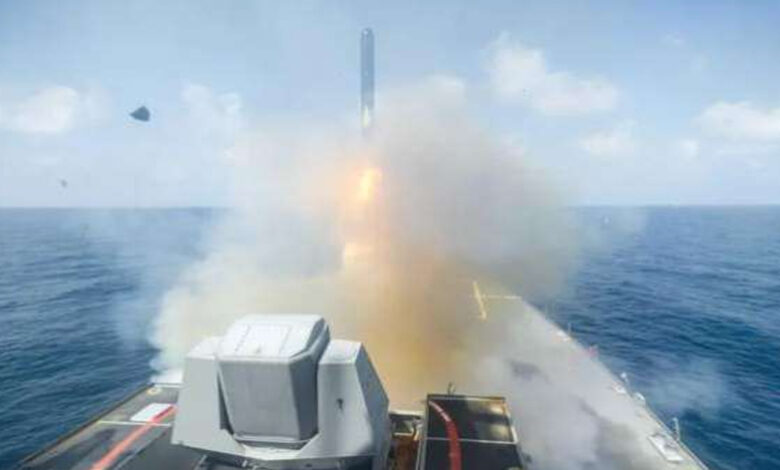
Washington — The United States and Israel’s war against Iran, which began in late February, has significantly reduced U.S. long-range missile stockpiles due to the large-scale use of advanced and expensive weapons, according to a report by *The New York Times*.
The report states that the U.S. military deployed around 1,100 JASSM-ER stealth cruise missiles, each costing approximately $1.1 million, leaving only about 1,500 remaining in stock.


In addition, more than 1,000 Tomahawk cruise missiles were launched during the conflict. Each Tomahawk is valued at roughly $3.6 million, while the U.S. produces only about 100 annually, raising concerns about replenishment capacity.
The Pentagon also reportedly used over 1,200 Patriot interceptor missiles, each costing nearly $4 million. U.S. production in 2025 was estimated at only 600 units, indicating a significant strain on air defense supplies.
Furthermore, more than 1,000 precision-strike and ATACMS ground-to-ground missiles were fired, further depleting U.S. tactical missile reserves.
According to estimates cited in the report, the U.S. spent approximately $5.6 billion in the first two days of the war alone. Overall costs are believed to have reached between $28 billion and $35 billion, with some estimates suggesting an average of nearly $1 billion per day.
The Pentagon confirmed that more than 13,000 targets were struck during the 38-day conflict, though officials noted that multiple munitions were often required per target, meaning actual weapon usage was significantly higher.
The report concludes that the war has sharply reduced U.S. global weapons stockpiles, forcing the Pentagon to reposition arms from Europe and Asia to the Middle East. Officials warned that this shift could impact U.S. readiness against potential strategic competitors such as China and Russia.