Inside White House Decision: Why Trump Extended Iran Ceasefire Amid Islamabad Talks and Diplomatic Pressure
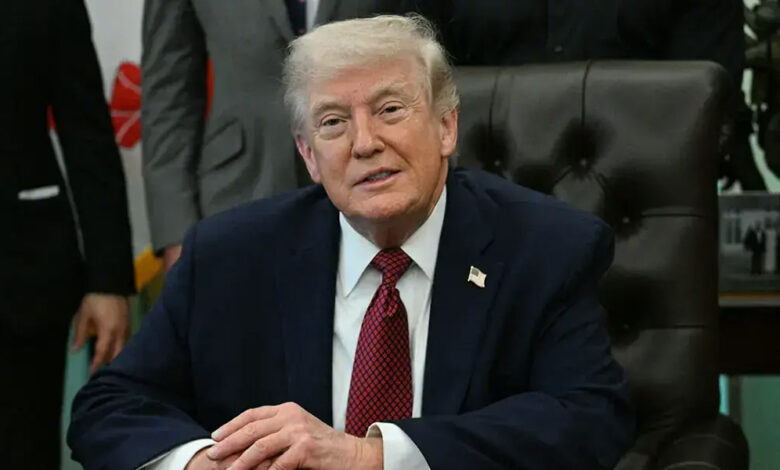
Washington: A high-level White House meeting chaired by former US President Donald Trump on Tuesday afternoon decided to extend the ceasefire with Iran after intense diplomatic activity involving Pakistan and stalled communication from Tehran.
According to a CNN report citing three officials familiar with the matter, the meeting included Vice President JD Vance, Secretary of State Marco Rubio, Defense Secretary Pete Hegseth, and CIA Director John Ratcliffe. The discussions came at a critical moment as the ceasefire deadline was nearing expiration and preparations were underway for Vance’s planned visit to Islamabad for the next round of talks.
However, US officials were reportedly facing a major obstacle—complete silence from Iran. Washington had sent Tehran a set of preliminary proposals days earlier, which required agreement before formal negotiations could proceed, but no response was received.
The report said this lack of communication raised doubts within the White House about the effectiveness of sending Vice President Vance to Pakistan at that stage.
Meanwhile, Pakistani mediators were actively engaged on two fronts—encouraging Iran to join negotiations while also persuading Trump to extend the ceasefire. Officials in Washington reportedly also urged Pakistan’s chief mediator, Field Marshal Syed Asim Munir, to help secure a response from Iran before Vance’s departure.
How was the ceasefire extended?
The video is getting viral in Iran. pic.twitter.com/UCldpWjZMO


— Iran Consulate – Hyderabad (@IraninHyderabad) April 22, 2026
The report further claimed that Iran’s internal divisions were contributing to the deadlock, particularly over key issues such as uranium enrichment and the authority of negotiators. Confusion also reportedly exists over whether newly emerging leadership structures in Iran are providing clear directives.
Iranian officials, however, struck a defiant tone. An adviser to Iran’s parliamentary speaker, Mehdi Mohammad, dismissed the extension of the ceasefire, saying that a losing side cannot dictate terms and that continued restrictions are equivalent to warfare, requiring a military response.
CNN also reported that US officials believe disagreements within Iran’s leadership are delaying decisions on critical negotiation parameters.
On the other hand, Iranian representatives reportedly expressed frustration over ongoing restrictions in strategic waterways, while Trump maintained a firm stance that no concessions would be made until a final agreement is reached.
In an interview with CNBC, Trump stated that key maritime routes would remain closed until a comprehensive deal is finalized.
Ultimately, Trump opted to extend the ceasefire without announcing a new deadline, signaling his continued preference for a diplomatic resolution rather than a renewed conflict.
According to the report, Trump remains keen to avoid another unpopular war while pursuing what he calls a “better deal” than previous nuclear agreements.
Negotiations remain stalled on major issues including uranium enrichment, sanctions relief, and verification mechanisms. While the US insists on strict conditions, Iran continues to push for sanctions rollback and guarantees before further talks.
Officials in Washington have privately warned that easing pressure could allow Iran time to regroup its military capabilities.
As both sides remain far apart, attention now turns to whether Tehran will use the extended ceasefire period to present a concrete proposal or further delay the process.