Pakistan Inflation Rises to 5.7% as Trade Deficit Widens and Foreign Investment Falls Sharply
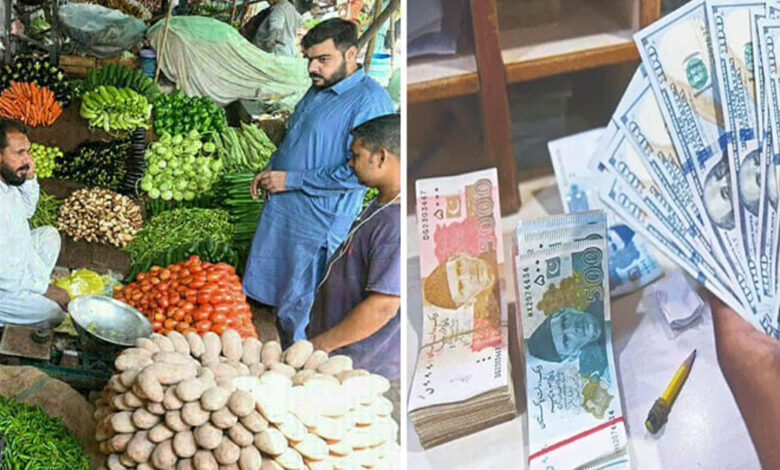
Pakistan has recorded a rise in inflation to 5.7% during the first nine months of the current fiscal year, compared to 5.3% in the same period last year, according to a report issued by the Ministry of Planning.
The monthly development report showed mixed economic indicators, with exports declining by 1.2% while imports increased by 8.3%, contributing to a widening trade imbalance.

During July–March, exports stood at $30.6 billion compared to $30.9 billion last year, while imports rose to $56.3 billion from $51.9 billion.
On the revenue side, the Federal Board of Revenue collected Rs9,306 billion in taxes, reflecting a 10.1% increase compared to Rs8,453 billion in the same period last year.
Remittances also showed growth, increasing by 2.8% to $30.3 billion, up from $28 billion in the previous year, indicating continued support from overseas Pakistanis.
However, foreign direct investment fell sharply by 33.4%, highlighting investor caution amid economic uncertainty. The overall data points to a challenging macroeconomic environment with rising imports, weakening investment inflows, and persistent inflationary pressure.