‘Pakistani Youth Are Either Asleep or Extremely Satisfied With Their Conditions,’ Says Gharida Farooqi
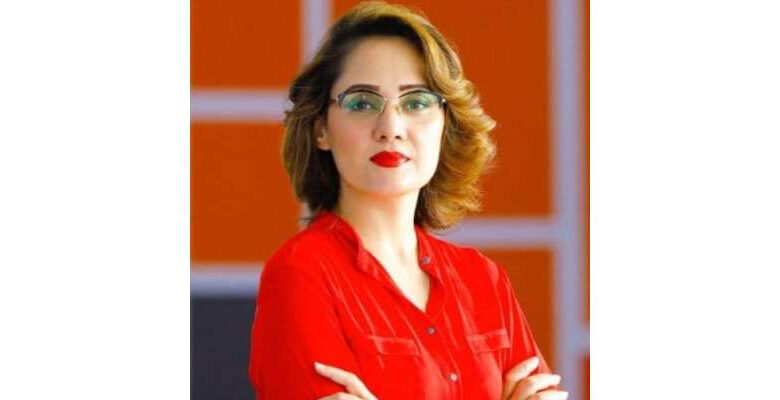
ISLAMABAD: Pakistani anchorperson Gharida Farooqi has criticised the silence of young people in Pakistan, drawing comparisons with youth-led protests taking place across several countries over economic conditions, government policies and their future.
In a post on social media platform X, Farooqi referred to demonstrations in France, Italy, Spain, Belgium, Argentina, Albania, Brazil and India, where young people have been taking to the streets to raise their voices over various political, economic and social issues.
Taking a sarcastic tone, she questioned why Pakistani youth appeared less vocal compared with their counterparts in other parts of the world.
“Pakistani youth are either drinking sattu and sleeping or are extremely satisfied with their circumstances,” Farooqi wrote in her post.
Youth Protests Across the World
Farooqi’s remarks come amid youth-led demonstrations and student protests in several countries over issues including inflation, unemployment, shrinking job opportunities, rising education costs and environmental policies.
In various European countries, including France, Italy, Spain and Belgium, young people and students have participated in demonstrations to express their concerns over government policies and demand economic and social rights.
Similar protests and youth movements have also emerged in countries such as Argentina, Albania, Brazil and India, reflecting growing concerns among younger generations about economic opportunities, political accountability and their future prospects.
Debate Over Silence of Pakistani Youth
By highlighting these international movements, Farooqi drew attention to what she sees as a lack of comparable public mobilisation among young people in Pakistan.
Her comments have raised questions about youth participation in public affairs and whether young Pakistanis are adequately expressing their concerns over economic hardship, unemployment and other challenges.
The remarks also spotlight the broader debate over the role of young people in political and social movements, particularly in a country where youth represent a significant segment of the population.