“Did I Criticise the Army or Did Nawaz Sharif?” Maulana Fazlur Rehman Questions Political Opponents
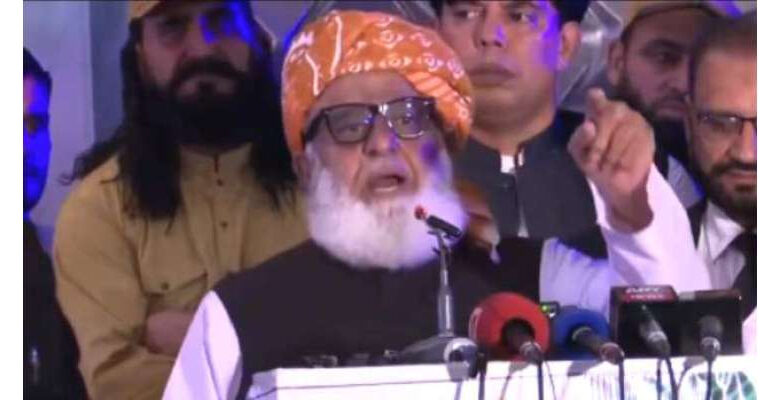
LAHORE: Jamiat Ulema-e-Islam-Fazl (JUI-F) chief Maulana Fazlur Rehman has questioned political opponents over their past remarks about the military, asking whether he had made critical statements against the army or former prime minister Nawaz Sharif.
“I am loyal to the state, but after so many sacrifices, I disagree with oppression,” Maulana Fazlur Rehman said, stressing that a unanimous national policy was needed to combat terrorism. However, he added that the public must be taken into confidence to secure its participation in the fight against terrorism.
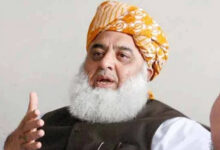
According to details, the JUI-F chief visited Garden Town in Lahore to offer condolences to central party leader Bilal Mir over the death of his brother, Zahid Mir. He expressed sympathy with the bereaved family and offered prayers for the forgiveness of the deceased and the elevation of his status in the hereafter.
Speaking to the media on the occasion, Maulana Fazlur Rehman criticised his political opponents and said that those who pointed fingers at others should also reflect on their own past statements.
“Did I make the harsh remarks against the army in the past, or did Mian Nawaz Sharif make them himself?” he asked.
مریم نواز، طلال چودھری، خواجہ آصف، عظمیٰ بخاری کی تنقید کے بعد مولانا فضل الرحمان کا لاہور سے جواب، پوچھ رہے ہیں کہ نواز شریف اور مریم نواز کے پرانے بیانات کس کھاتے میں جائیں گے ؟؟؟ ویسے یہ پریس کانفرنس قومی میڈیا پر نہیں چل رہی https://t.co/smF1wQ2ihi
— Ahmad Warraich (@ahmadwaraichh) October 17, 2026
He also questioned who had referred to the army as the “Agriculture Department” and who had repeatedly mentioned former army chief General Qamar Javed Bajwa during public rallies.
Referring to Punjab Chief Minister Maryam Nawaz, Maulana Fazlur Rehman said he regarded her as being like a daughter to him. However, he maintained that her past remarks and opinions concerning the institution were also part of the public record.
He said it would be better not to reopen these chapters of the past.
The JUI-F chief clarified that he had never criticised the military institution itself, adding that his comments had concerned state policies.
He reiterated that public confidence and a unified national approach were essential for effectively addressing terrorism and protecting the country’s stability.