Super El Niño’ Raises Global Risks of Extreme Weather and Food Insecurity
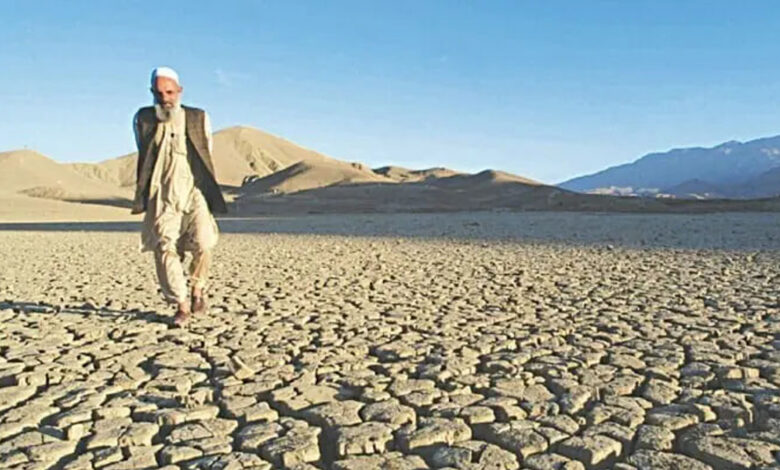
GENEVA:A powerful El Niño weather pattern developing in the Pacific Ocean is intensifying into what is widely being described as a “super El Niño”, raising the risk of extreme heat, droughts and heavy rainfall across different parts of the world.
The World Meteorological Organization (WMO) says El Niño, which occurs periodically when sea-surface temperatures in the central and eastern tropical Pacific become unusually warm, is firmly established and expected to strengthen further. The agency has forecast a near-100 per cent likelihood that the phenomenon will persist through February 2027. ([World Meteorological Organization][1])


UN Secretary-General António Guterres described the phenomenon as being “supersized”, warning that rising ocean and global temperatures were increasing the risk of extreme weather. WMO forecasts indicate that the current event could become one of the strongest El Niño episodes on record. ([Reuters][2])
El Niño generally develops between March and June, reaches peak intensity between November and February, and can influence weather patterns for several months beyond its peak. The current event began developing in June 2026 and has already crossed the threshold associated with a very strong El Niño, with sea-surface temperatures in parts of the tropical Pacific more than 2 degrees Celsius above average. ([Al Jazeera][3])
### Extreme Rainfall and Drought Risks
The effects of a very strong El Niño vary from region to region. Forecasts indicate increased risks of heavy rainfall and flooding in some areas, while other regions could experience significantly drier conditions and drought.
Parts of eastern Africa and South America could face heavier-than-normal rainfall, while southern Africa and parts of South and Southeast Asia could experience increased drought risks. However, the WMO cautions that the strength of El Niño alone does not determine the severity of its effects in any particular country, as other climate factors can modify its impact. ([World Meteorological Organization][1])
South Asia, Southeast Asia and Australia are among the regions where El Niño can influence rainfall patterns. In Pakistan and India, variations in monsoon rainfall can have significant consequences for agriculture, water availability and food production.
### Threat to Global Food Security
The World Food Programme (WFP) has warned that the strengthening El Niño could significantly worsen food insecurity in vulnerable countries through 2027.
According to WFP analysis, the 2026–27 El Niño could push at least **49 million additional people into acute food insecurity** by the end of 2027. Across 45 countries assessed by the agency, the number of people facing acute food insecurity could rise from around 225 million to approximately 274 million. ([World Food Programme][4])
The agency says drought, flooding and extreme temperatures could disrupt planting and harvest cycles, with maize, rice and other rain-fed crops particularly vulnerable to weather shocks.
### 2027 Could See Continued Heat
The effects of El Niño can extend beyond the period when Pacific Ocean temperatures are at their highest. WMO officials have said the event could contribute to exceptionally high global temperatures in 2027.
WMO forecasts already indicate above-normal temperatures across almost all land areas during September-November 2026. Scientists also say 2027 has the potential to become the warmest year on record, although such projections remain subject to evolving climate conditions. ([World Meteorological Organization][1])
Experts stress that the precise effects of El Niño cannot be predicted with certainty because every El Niño event is different. Its impacts depend on the strength and timing of the phenomenon as well as other oceanic and atmospheric conditions.
The WMO and humanitarian agencies are therefore urging governments and communities to strengthen early-warning systems and prepare for possible droughts, floods, extreme heat and disruptions to food production as the current El Niño continues into 2027. ([World Meteorological Organization][1])
اگر چاہیں تو میں اسی خبر کا **مختصر Breaking News ورژن** یا **Facebook پوسٹ کے لیے 5–6 لائن کا ورژن** بھی بنا سکتا ہوں۔
[1]: https://wmo.int/news/media-centre/el-nino-set-become-very-strong-raising-risks-of-extreme-weather-2027?utm_source=chatgpt.com “El Niño set to become very strong, raising risks of extreme weather into 2027”[2]: https://www.reuters.com/business/environment/el-nio-likely-strengthen-further-persist-into-2027-wmo-says-2026-09-03/?utm_source=chatgpt.com “‘Supersized’ El Niño may become strongest ever recorded, UN says”
[3]: https://www.aljazeera.com/news/2026/9/15/el-nino-reaches-super-status-where-will-it-bring-rain-drought-and-heat?utm_source=chatgpt.com “El Nino reaches super status: Where will it bring rain, drought and heat?”
[4]: https://www.wfp.org/news/world-food-programme-ramps-preparedness-and-response-plans-el-nino-threatens-push-tens?utm_source=chatgpt.com “World Food Programme ramps up preparedness and response plans as El Niño threatens to push tens of millions into acute hunger | World Food Programme”