Who Are the Favorites for Chief Minister If Multan Becomes a Province? Public Opinion Emerges
LAHORE: The ongoing debate over the creation of new administrative units in Pakistan has once again brought the demand for restoring Multan’s provincial status into the spotlight.
Various public and political circles in Multan say that if the country moves toward creating new provinces or administrative units, the longstanding demand for a separate province centered on Multan should also be seriously considered. They also believe that the demand for restoring Bahawalpur’s historical provincial status cannot be ignored.


According to Multan residents, the debate over provincial status is not merely about political interests. It is also linked to the region’s historical identity, administrative requirements and the provision of basic services to the people.
They argue that new administrative units could help manage the affairs of a large geographical region more effectively at the local level.
Demand for Multan Province
The demand for granting Multan separate provincial status is not new. In southern Punjab, the movement for a new province comprising the Saraiki-speaking region has remained part of political discourse for decades, while the campaign for restoration of Bahawalpur’s former status has its own history.
Supporters of a Multan-centered province say the city’s historical, geographical and administrative importance should be taken into account if serious progress is made toward creating new provinces.
Multan’s Historical Administrative Importance
Multan’s long history is also considered significant in the debate over its provincial status. During the Mughal era, Multan served as the administrative center of a large province whose boundaries at different times extended across substantial parts of southern Punjab and, on some occasions, areas of Sindh.
The city emerged as an important center of trade, agriculture and regional administration. It subsequently passed through Afghan, Sikh and British periods. During British rule in the 19th century, Multan Division also remained one of the major administrative regions of southern Punjab.
Supporters of a separate province argue that Multan’s present administrative status should not be considered separately from its historical role.
Three Names Discussed for Chief Minister
Speculation is also continuing among political circles and citizens in Multan regarding who could lead a potential new province.
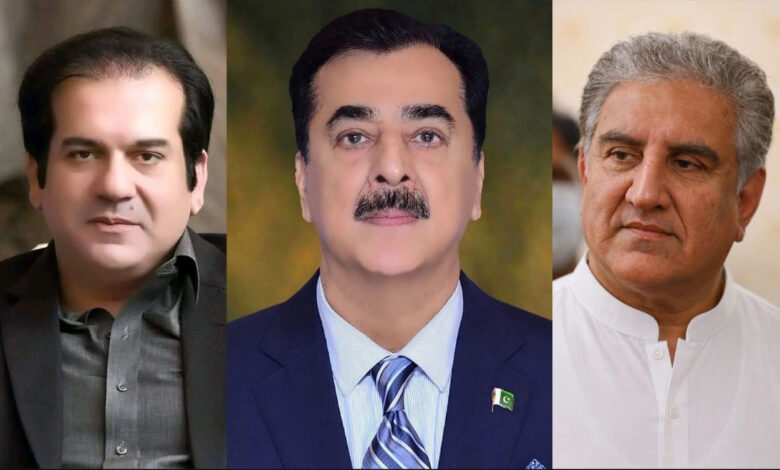
The names being discussed at the public level include former prime minister and current Senate Chairman Yousaf Raza Gilani, former foreign minister Shah Mahmood Qureshi and Pakistan Muslim League-Nawaz (PML-N) leader Abdul Rehman Khan Kanju.
However, none of these individuals can currently be described as an official candidate for chief minister of any proposed province. The creation of a new province would require a constitutional and parliamentary process, while the chief minister would ultimately be elected through the constitutional procedure by the future provincial assembly.
Yousaf Raza Gilani: Prominent Multan Political Figure
Yousaf Raza Gilani belongs to Multan and has a political career spanning several decades. He began his political career with the Muslim League before joining the Pakistan Peoples Party (PPP) and eventually becoming a prominent national political figure.
He has served as Speaker of the National Assembly and was prime minister of Pakistan from 2008 to 2012. He has been serving as Chairman of the Senate since April 2024.
The Gilani family has also played a significant role in the political and social history of Multan. Gilani’s father, Syed Alamdar Hussain Gilani, was associated with the Pakistan Movement, served as a member of the Constituent Assembly and later held a federal ministerial position.
Because of this political background, Yousaf Raza Gilani remains a notable name in discussions about potential leadership of a Multan-based province.
Shah Mahmood Qureshi: Major Role in Southern Punjab Politics
Shah Mahmood Qureshi is another prominent politician from Multan. He was associated with the Pakistan Peoples Party during different periods before joining the Pakistan Tehreek-e-Insaf (PTI).
He served as federal foreign minister from 2008 to 2011 and again from 2018 to 2022. His long political career and federal-level experience, along with the Qureshi family’s longstanding presence in southern Punjab politics, make him a prominent figure in discussions about the region’s political and administrative future.
However, his name is currently being discussed only as part of public and political speculation regarding potential provincial leadership.
Abdul Rehman Khan Kanju: PML-N Figure from Southern Punjab
Abdul Rehman Khan Kanju belongs to Lodhran district and is a PML-N political leader. He has served as a member of the National Assembly and as Minister of State for Overseas Pakistanis and Human Resource Development from 2017 to 2018.
Kanju is also associated with a politically influential family in southern Punjab. His father, Siddiq Khan Kanju, served in important political positions, including as federal foreign minister.
Administrative Need or Political Demand?
Residents of Multan say that provincial status could enable more effective local decision-making in areas such as healthcare, education, employment, infrastructure and other public services.
They believe that the problems of major cities and remote districts of southern Punjab should be addressed through an administrative system that prioritizes local needs.
However, the financial and administrative sustainability of any new province would remain a major challenge for both supporters and opponents. The creation of a new province would require more than political consensus, as constitutional, legal, financial and parliamentary requirements would also have to be fulfilled.
The names being discussed for the chief minister of a potential Multan province currently remain part of public suggestions and political debate. No individual has been formally nominated for the position.
If an agreement is reached in the future to establish a new province centered on Multan or elsewhere in southern Punjab, the constitutional procedure would have to be followed. A new provincial assembly would then be formed, and its members would elect a chief minister from among those commanding a majority.
Multan residents say that if the primary objective of creating new administrative units is to provide better governance and public services, the longstanding demand for Multan’s provincial status should also be evaluated on the same criteria.
They believe the final decision should be based not on political affiliations but on the region’s historical importance, administrative needs, public aspirations and future development requirements.