Establishment not so weak it would seek PTI help through an ordinary man: Muneeb Farooq
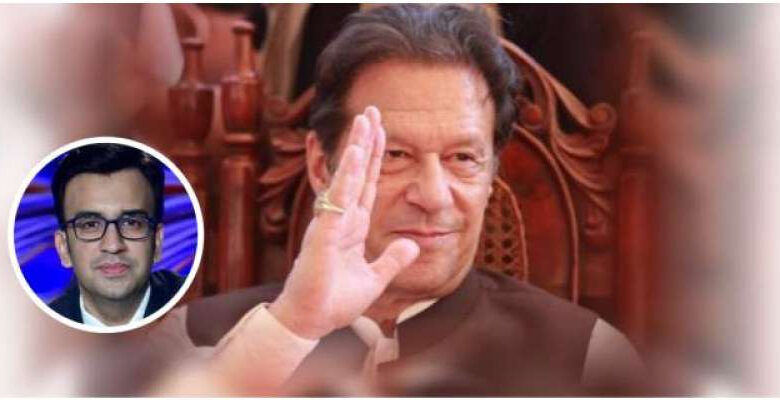
LAHORE: Journalist Muneeb Farooq has said the establishment has not fallen on such hard times that it would seek cooperation from Pakistan Tehreek-e-Insaf through an ordinary person like him, adding that if support is needed for the creation of new provinces, it can also be obtained by force.
In a vlog, Farooq cited PML-N’s support for then army chief Gen Qamar Javed Bajwa’s extension during Imran Khan’s tenure. He said Nawaz Sharif went abroad and the party faced difficulties, yet it still stood by the move and the law was passed.


Keeping that in view, he said he had analysed that if the PPP does not support the creation of new provinces, a two-thirds majority would not be possible, so PTI could extend support and benefit from it.
Those who think an offer has been made to Imran Khan should “get their heads examined,” he said. Pakistan’s establishment, he added, has not reached a point where it would seek PTI’s cooperation through a common man. If cooperation is required, he said, it can, with due apology, also be taken by force.
He claimed the entire PTI is waiting for a chance to support the move if given space. If Imran Khan gets a signal that the establishment can be pleased, Farooq said, he would immediately tell his party to vote for the amendment, asking what PTI would lose if new provinces are created. He added that no one has so far asked Imran Khan for any cooperation.
In another vlog, Farooq said those who want new federating units have “put it in fifth gear.” To create new provincial units by ending the consent of existing provinces, he said, the government would have to amend Article 239(4) of the Constitution.
He said the article requires that a provincial assembly pass a resolution by a two-thirds majority to create a new federating unit or province. The problem, he added, is that the PPP has an overwhelming majority in Sindh and is refusing. The government would therefore have to amend Article 239(4) and remove the role of the provinces.