Tamil Nadu Chief Minister Announces Free Higher Education for Muslim Girls
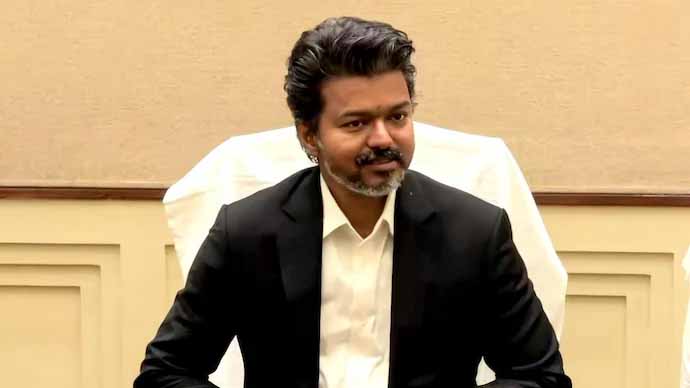
TAMIL NADU: The newly elected Tamil Nadu government, led by Chief Minister C. Joseph Vijay of the Tamilaga Vettri Kazhagam (TVK), has announced a landmark policy aimed at providing equal opportunities for higher education to Muslim women.
Under the new policy, eligible Muslim female students securing admission to colleges through the government quota will receive a full waiver of undergraduate (UG) tuition fees.


Minority Welfare Minister A.M. Shahjahan formally announced the scheme in the state assembly, saying the government aimed to encourage Muslim women to pursue higher education and help them achieve greater financial independence.
Under the initiative, the Tamil Nadu government will bear the tuition fees of eligible Muslim students pursuing degrees in major fields, including arts, science, engineering, medicine, law and agriculture.
The scheme will apply to government, government-aided and self-financing colleges across the state. The government has allocated an initial budget of Rs20 crore for the implementation of the programme.
In addition to the tuition fee waiver, the Vijay-led government announced several other measures for the minority community. The scholarship for Muslim girls under the Waqf Board has been extended from Class 8 to Class 10, benefiting more than 41,000 students, who will receive an annual stipend of Rs2,000.
A modern Arts and Science College dedicated specifically to minority women will also be established in Chennai.
The government has further announced a Rs1 billion revolving fund in interest-free loans to develop commercial assets on lands belonging to Muslim Waqf and Christian religious institutions, with the aim of increasing their income.
Under the Tamil Nadu Skill Development Corporation, 10,000 minority youth will receive free training in information technology and other modern vocational skills over the next four years.
The initiatives have been welcomed by members of the Muslim community and education experts, who have described the measures as a significant step toward promoting women’s education and empowerment.