Government Denies Reports of Ending Electricity Subsidy for Consumers Using Up to 200 Units
ISLAMABAD: The Ministry of Energy has strongly rejected reports claiming that the government plans to end electricity subsidies for domestic consumers using up to 200 units per month.
In a clarification statement, the ministry said there is no proposal under consideration to change or withdraw the existing relief policy for poor and low-income consumers.


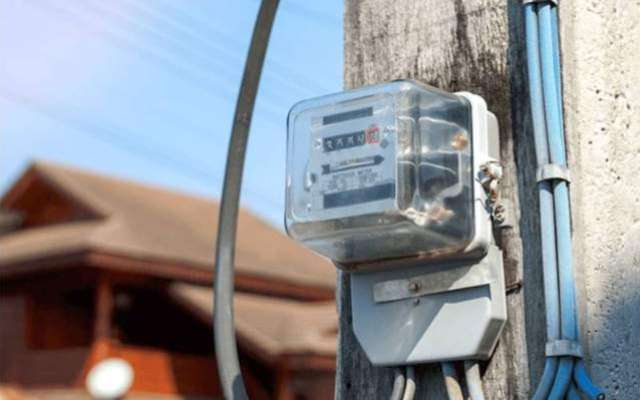
According to media reports, the ministry emphasized that the current subsidy system for deserving consumers will remain intact, while electricity distribution companies have been instructed to conduct strict verification of electricity meters to ensure that the relief reaches only eligible households.
Sources within the ministry stated that consumers using less than 200 units currently receive a government subsidy of around Rs. 5,000 per month, reducing their electricity bills to nearly Rs. 2,000. Officials warned that if the subsidy were removed, monthly bills for low-income households could surge to nearly Rs. 7,000.
The government, they said, remains committed to protecting economically vulnerable consumers from additional financial pressure.
Officials further explained that while the subsidy will continue, action is being taken against misuse of the scheme. Distribution companies have launched field operations to identify cases where multiple electricity meters have allegedly been installed within a single household or property to unfairly benefit from subsidized rates.
Authorities are also reviewing data of affluent consumers who have installed solar systems but continue to maintain grid connections showing consumption below 200 units in order to receive subsidies intended for low-income users.
Responding to social media speculation regarding QR codes printed on electricity bills, the ministry clarified that the codes have no connection with any plan to abolish subsidies.
The ministry stated that the QR codes are being introduced solely for digital billing, transparency, and consumer data verification purposes, urging the public not to pay attention to misinformation and propaganda circulating online.