Gulf States Seek Alternative Arms Suppliers Amid Strained US Dependence
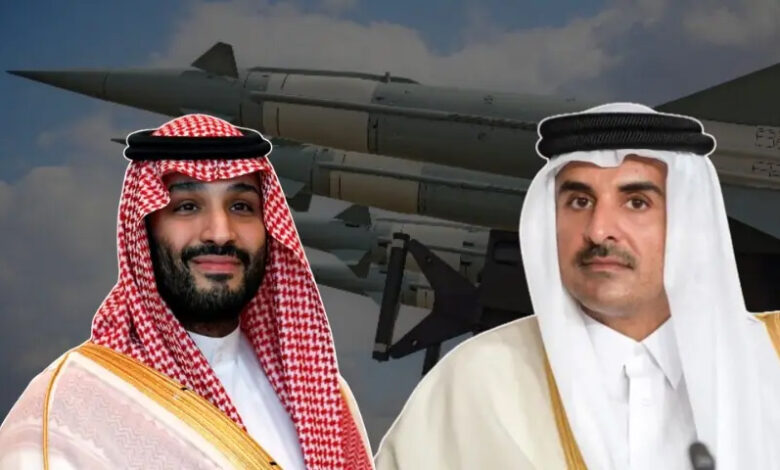
RIYADH: Gulf countries are increasingly turning to alternative defense suppliers as regional tensions and sustained aerial conflicts put heavy pressure on their air defense stockpiles.
According to a report by The Wall Street Journal, countries including Saudi Arabia, Qatar, and the United Arab Emirates are diversifying their defense procurement strategies instead of relying solely on the United States.


The shift comes after six weeks of intense aerial bombardment and rising regional instability, which have significantly depleted missile defense inventories. Concerns are mounting that Iran’s retaliatory capabilities—particularly the widespread use of low-cost drones—have exposed vulnerabilities in existing defense systems.
Gulf nations are now exploring South Korean missile defense platforms, including the M-SAM system, while also engaging with Ukraine for drones and electronic warfare technologies. Additionally, discussions are underway with UK-based defense startups developing rapid-response, cost-effective anti-drone systems.
Experts say the global defense industry is already under strain following the Russia-Ukraine War, with production struggling to keep pace with rising demand.
Saudi Arabia has also reached out to Japan, while both Riyadh and Doha are reportedly pursuing defense cooperation agreements with Ukraine, focusing on joint production and technology transfer.
Ukrainian officials indicate that Gulf states have shown strong interest in interceptor drones and advanced electronic warfare systems, although Ukraine itself faces production challenges due to ongoing conflict.
Meanwhile, the UAE maintains that it possesses advanced and integrated air defense systems, and Saudi officials emphasize that cooperation with the United States continues alongside efforts to expand partnerships with other countries.
Reports also highlight delays in US defense deliveries, with multi-billion-dollar agreements taking years to fulfill due to capacity constraints in the American defense industry.